Skip to content
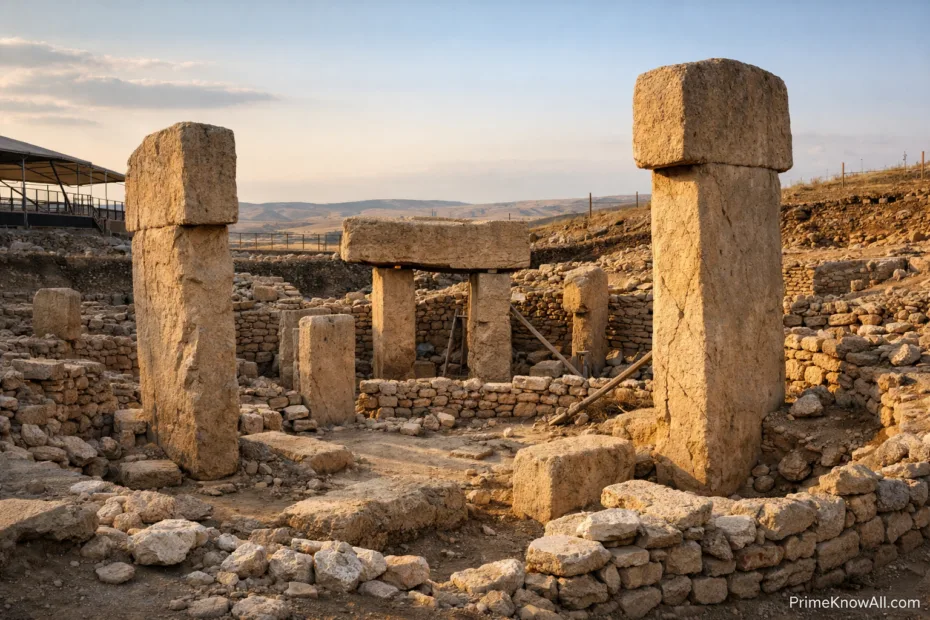
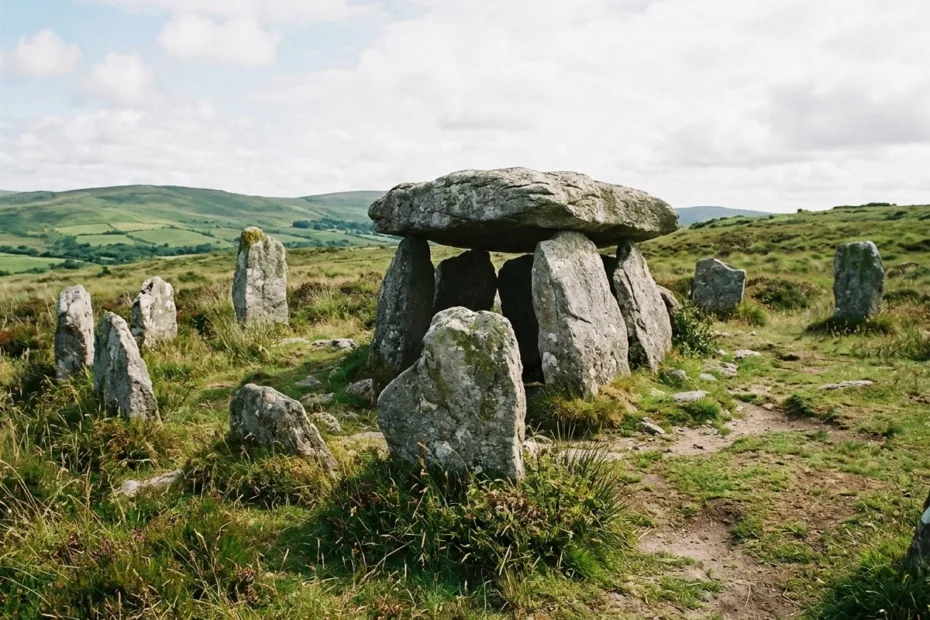
Sundial-like stone arrangement with large upright stones and a flat capstone in a grassy landscape.

Prehistoric Megalithic Structures Worldwide

Prehistoric megalithic structures are large stone monuments built before written records in many parts of the world. They include standing stones, dolmens, stone circles, passage tombs, temples, and carved stone jars. Their main uses were burial, ritual gathering, landscape marking, seasonal timing, and public memory. A megalith is… 
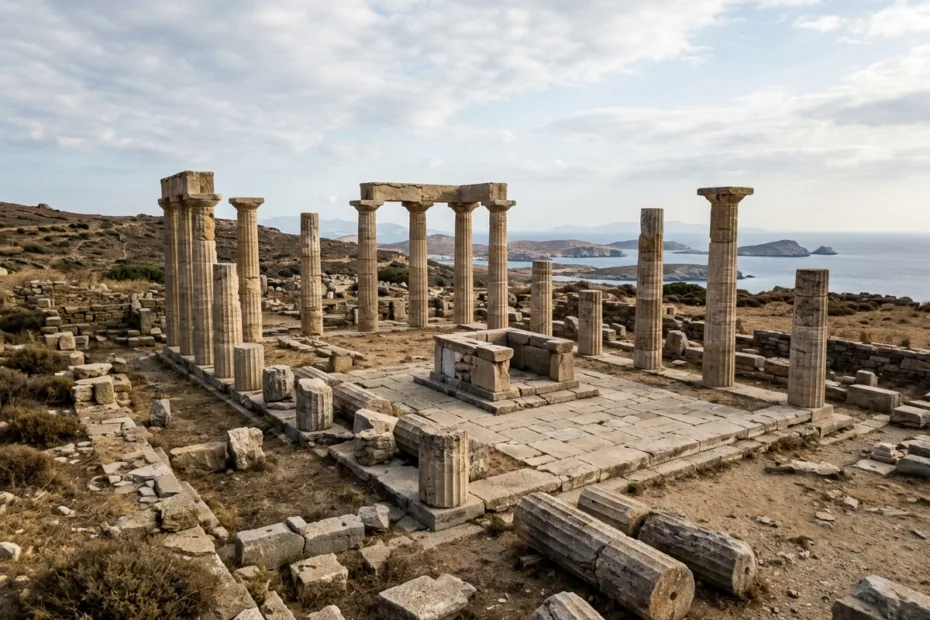
Ruins of ancient religious structures with broken columns and stone foundations set against a cloudy sky.

Ancient Religious Structures and Ritual Spaces

Ancient religious structures were not only old temples; they were carefully shaped ritual spaces where people managed time, memory, death, power, astronomy, food, sound, movement, and community identity. Many of these places were built long before written records, so archaeologists read them through stone layout, buried objects, human… 

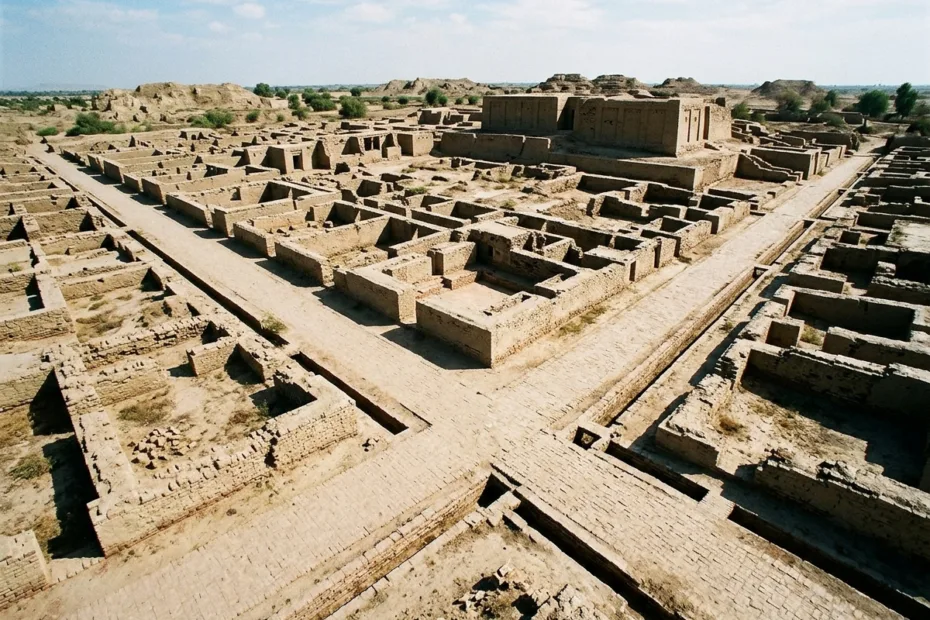
Ancient ruins of Indus Valley city planning with grid-like streets and brick structures visible from above.

Ancient City Planning in Indus Valley

Ancient city planning in the Indus Valley was not just about straight streets. It was a practical urban system built around water control, baked-brick construction, drainage, street order, neighborhood access, and shared standards across many settlements. The best-known Indus cities, including Mohenjo-daro, Harappa, Dholavira, Lothal, Kalibangan, and Rakhigarhi,… 

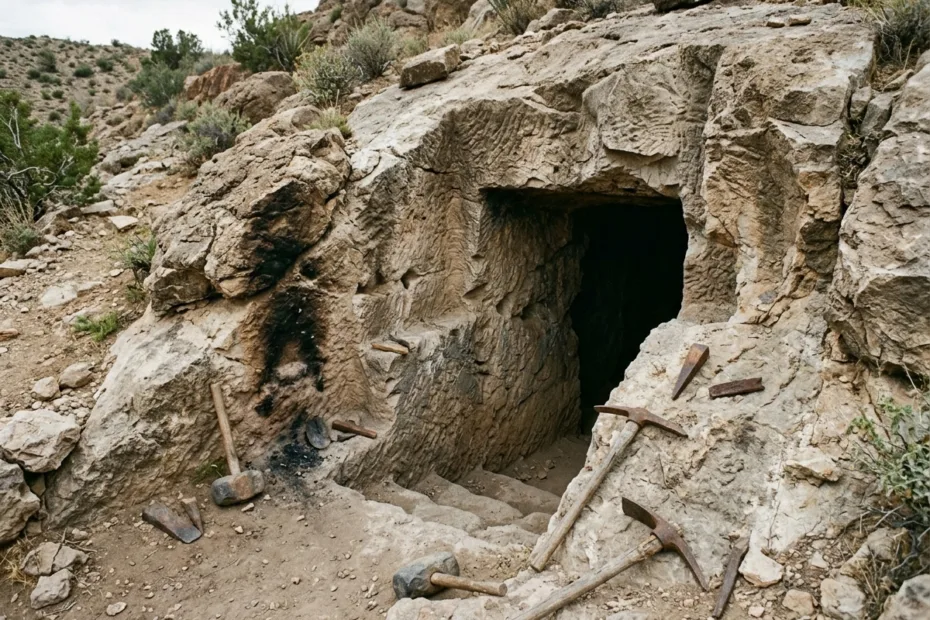
Ancient miner stands outside a dark wooden entrance to a tunnel carved into rocky terrain.

Ancient Mining Techniques for Metals

Ancient metal mining was not simple digging; it was a carefully learned mix of geology, heat, water, stone tools, labor planning, and ore knowledge. Miners looked for colored minerals, opened shallow pits or tunnels, cracked hard rock with fire-setting, moved water through channels, crushed ore by hand, and… 

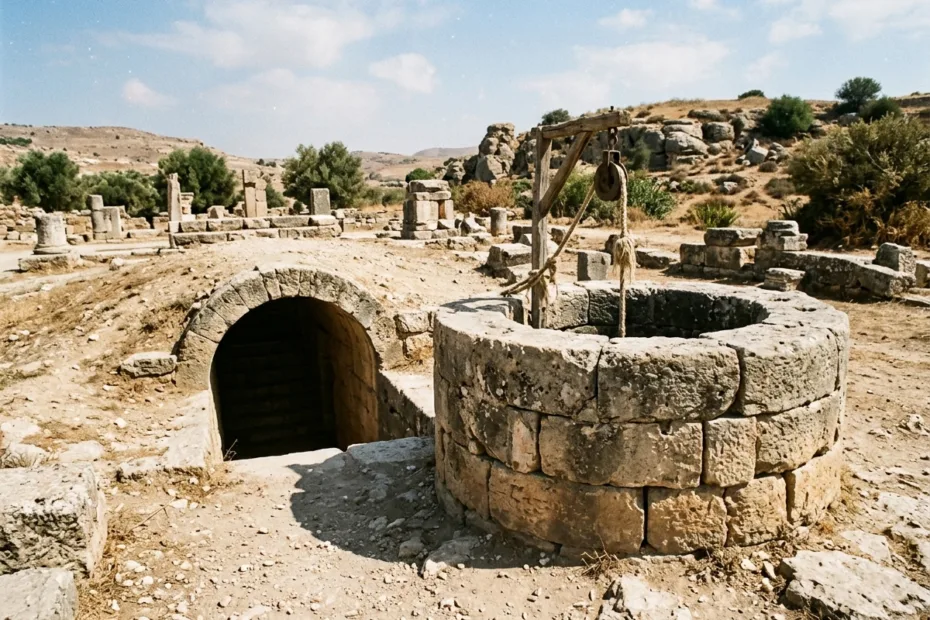
Ancient stone water well with a round opening and dry surroundings in a historic site.

Ancient Water Wells and Cisterns

Ancient water wells reached groundwater below the surface, while cisterns stored water collected from rain, springs, aqueducts, or manual delivery. Communities often used both systems because they solved different problems: a well depended on local geology, while a cistern could save water when rainfall or outside supply was… 

Ancient wooden siege engine positioned in front of stone castle walls with battlements.

Ancient Siege Engines and Fortifications

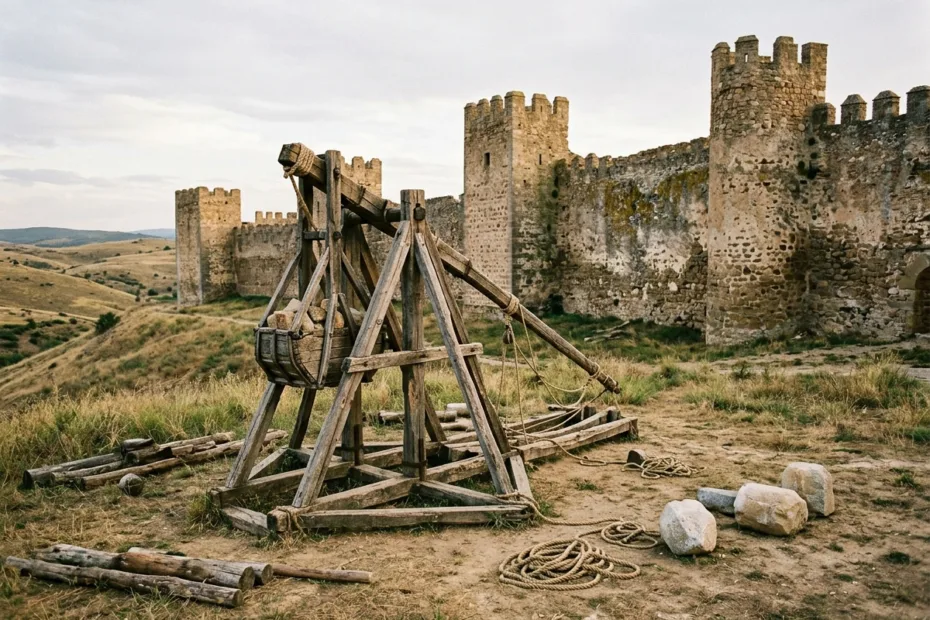
Ancient siege engines were practical machines built for one hard job: getting past walls that were designed to slow, expose, and exhaust attackers. Fortifications were not just stone barriers. They were layered systems of height, distance, gates, towers, ditches, earthworks, storage, and psychology. Ultra-short answer: Ancient siege warfare… 

Mesopotamian ancient road with uneven stone paving stretches across a dry, open landscape.

Ancient Roads in Mesopotamia

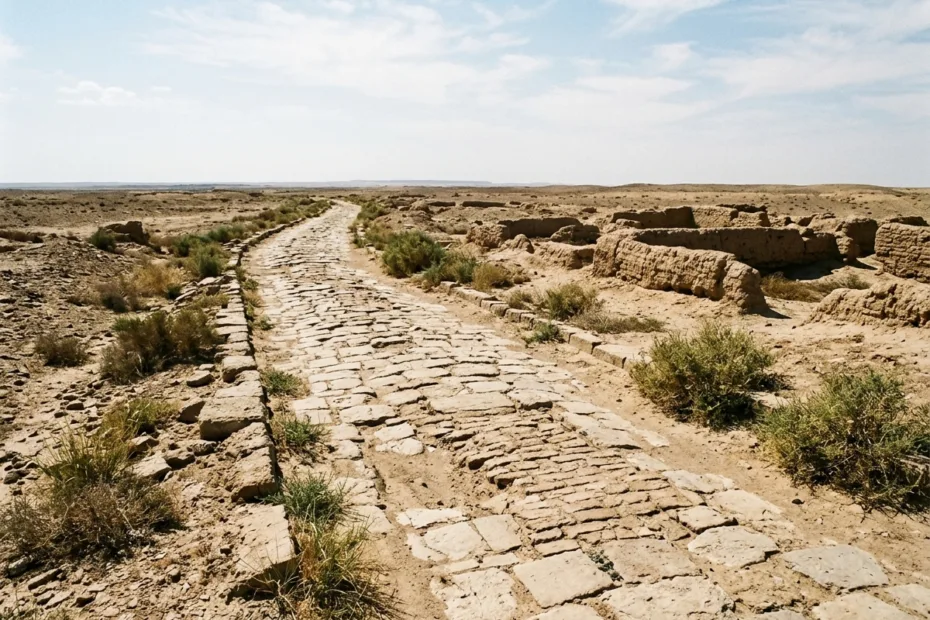
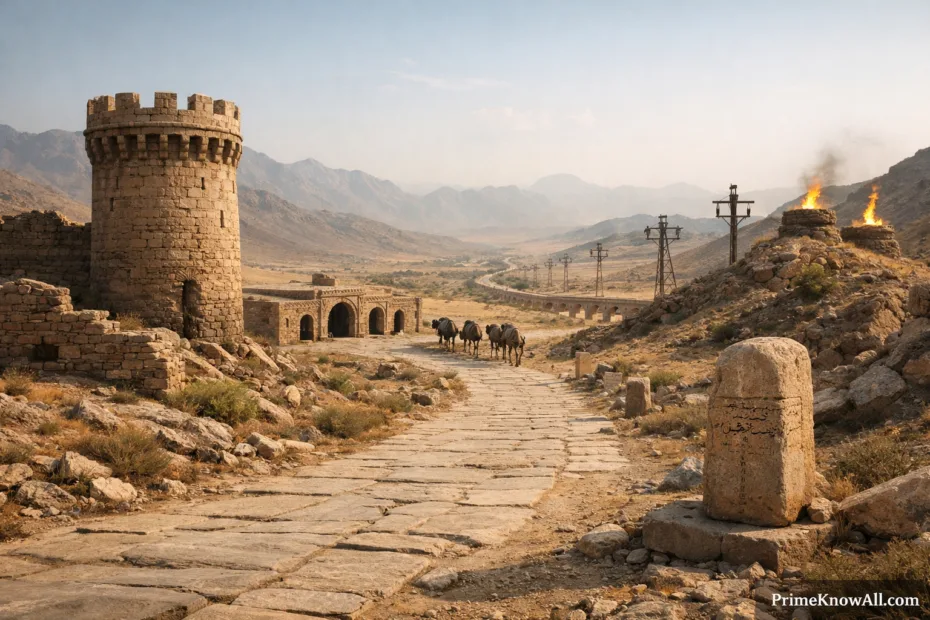
Ancient roads in Mesopotamia were not one neat line across a map; they were a working network of river routes, canal banks, caravan tracks, city approaches, and state roads. They helped move grain, wool, copper, tin, timber, letters, officials, soldiers, tax records, and ideas between the Tigris, the… 

Ancient Phoenician ships docked at a stone port with calm waters and a distant harbor in the background.

Phoenician Ports and Maritime Structures

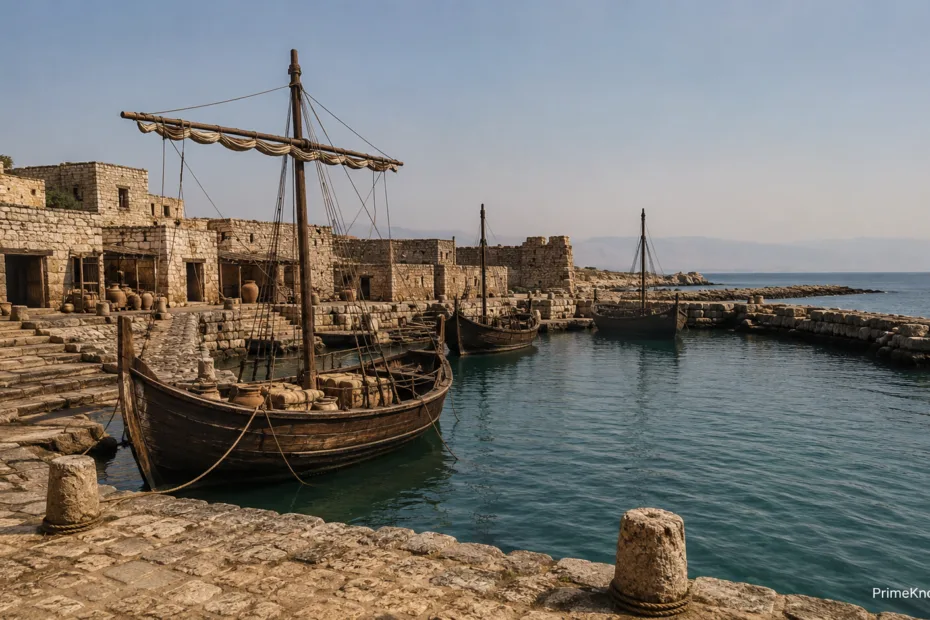
Phoenician ports were sheltered coastal spaces where ships could anchor, load cargo, undergo repairs, and connect sea routes with cities on land. Early ports often used natural bays, reefs, islands, and headlands, while later Phoenician and Punic engineers added quays, breakwaters, moles, channels, seawalls, and ship sheds where… 

Ancient lighthouse of Alexandria standing tall by the waterfront with a cloudy sky behind.

Ancient Lighthouse of Alexandria

The Ancient Lighthouse of Alexandria was a tall harbour tower built on the island of Pharos around the 3rd century BCE to help ships enter Alexandria safely. It stood roughly 100–110 meters high by many modern estimates, used fire and height as a navigation aid, and later became… 

Ancient stone quarrying showing large rectangular stone blocks and wooden tools used for extraction.

Ancient Stone Quarrying Techniques

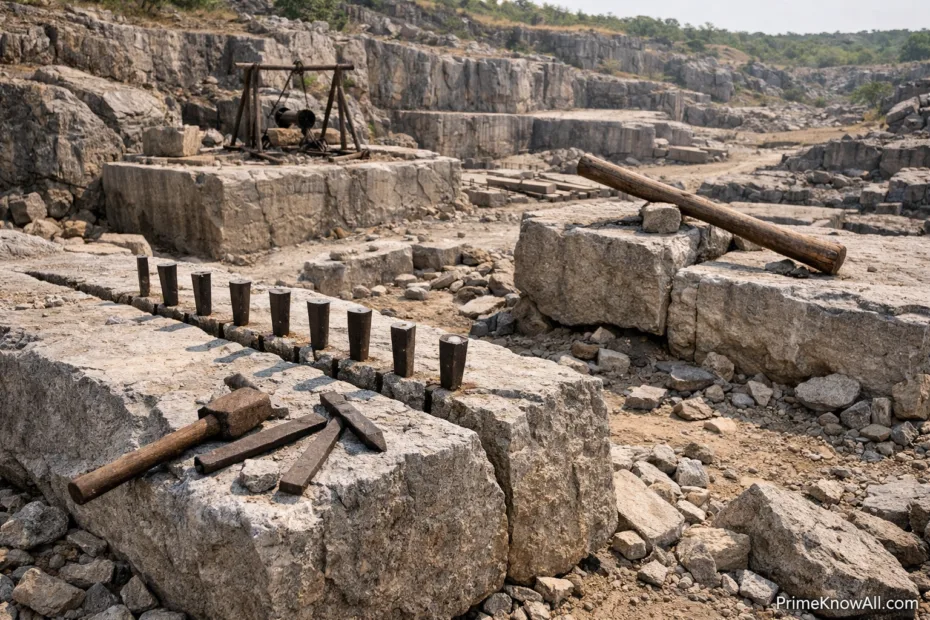
Ancient quarry workers extracted stone by reading natural fractures, cutting channels around a planned block, and then separating it with pounders, chisels, wedges, levers, or combinations of these methods. The technique depended heavily on the rock: limestone, sandstone, marble, and granite did not respond to the same tools… 

Ancient Greek city with a central agora surrounded by red-tiled roofs and stone buildings on a hillside.

Ancient Greek City States: Urban Layout

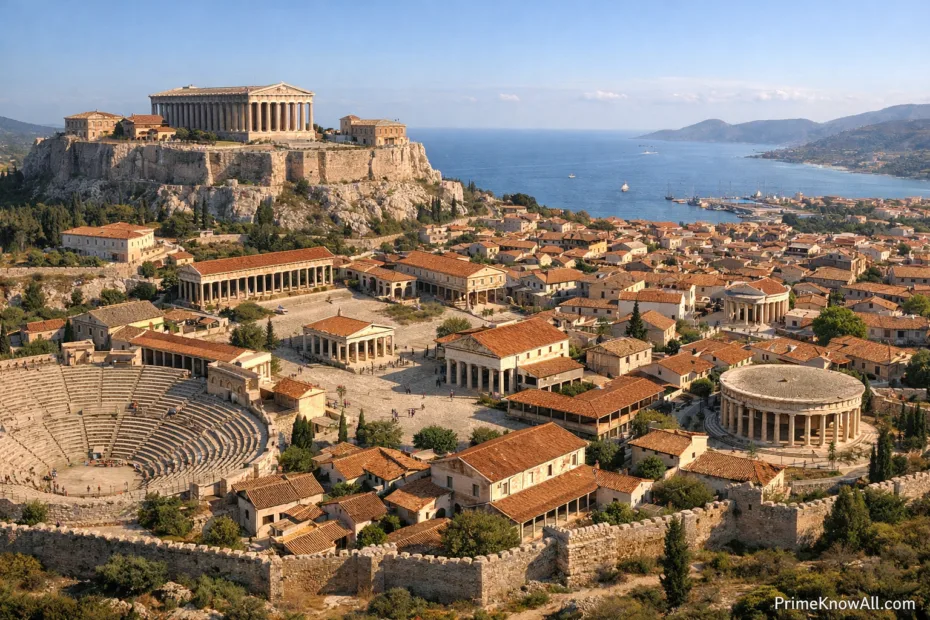
Ultra-Short Answer: Ancient Greek city-states were shaped around a few linked spaces: a public square, sacred high ground, streets, housing plots, water systems, and the farmland that fed the city. Urban layout was never just design; it helped organize defense, trade, politics, worship, and everyday movement. Ancient Greek… 

Roman military camp with rows of rectangular tents and stone patrol paths on a grassy plain.

Roman Military Camps: Standardized Design

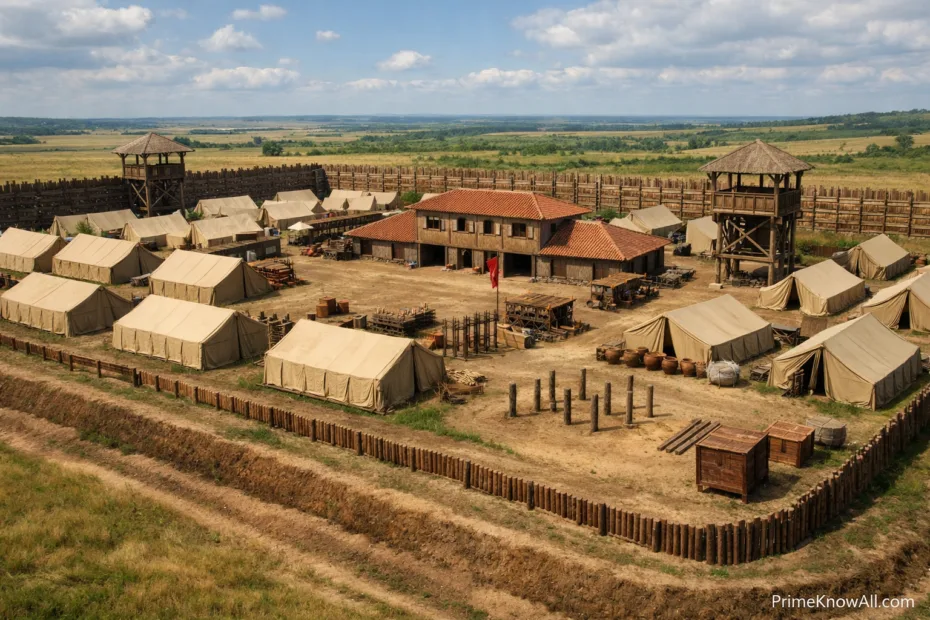
Roman military camps used a repeatable layout that let soldiers find roads, gates, command areas, and assigned quarters with little confusion. The exact shape changed with terrain, troop numbers, and period, but the underlying system relied on measured streets, organized zones, familiar positions, and a defended perimeter. That… 

Mesopotamian temples made of sun-dried bricks stand in a desert landscape with steps leading up to the entrance.

Ancient Temples of Mesopotamia

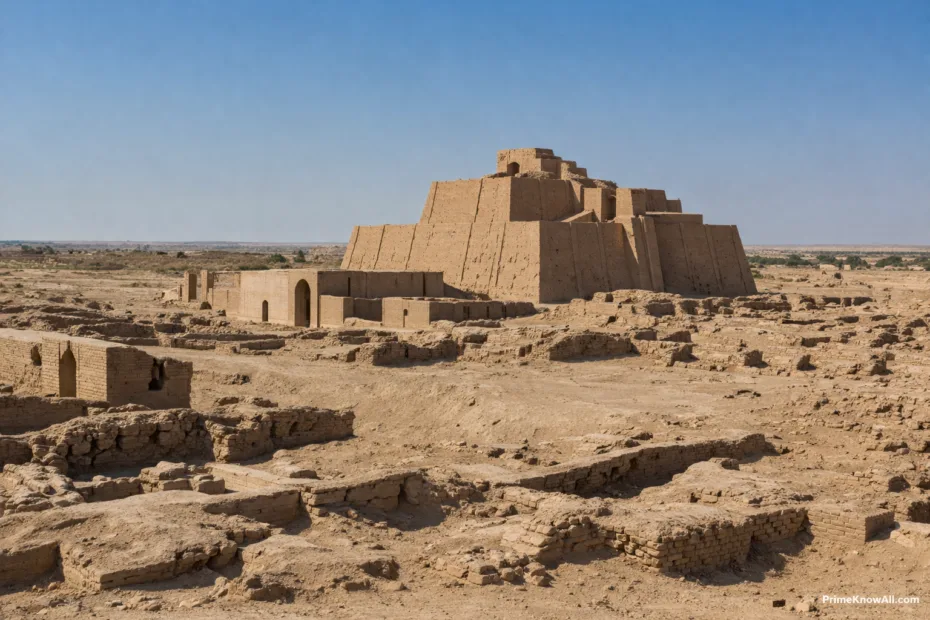
Mesopotamian temples were the working houses of the gods and the organizing centers of many cities. They held ritual, storage, writing, labor, and royal display in one place. The best-known examples are ziggurats, yet the story starts earlier with low mudbrick sanctuaries and grows into large temple precincts… 

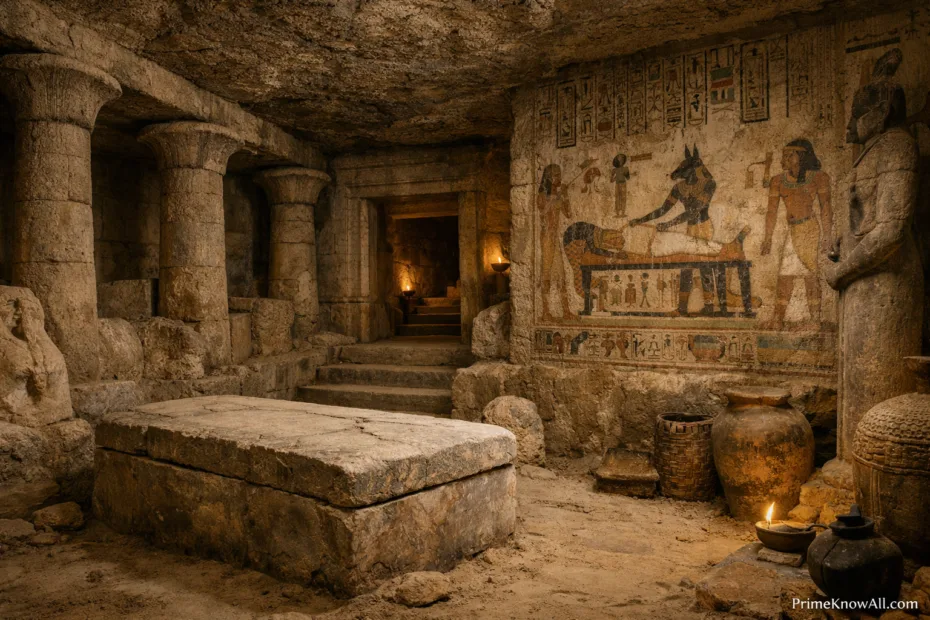
Ancient Egyptian tomb interior with stone sarcophagus and hieroglyphic carvings on the walls.

Ancient Egyptian Tomb Architecture

Ancient Egyptian tomb architecture changed from simple graves and mastabas into pyramid complexes and deep rock-cut tombs. The main design problem stayed similar: protect the burial, provide a place for offerings, and create spaces where ritual and memory could continue. Architecture, decoration, landscape, and burial practice were planned… 

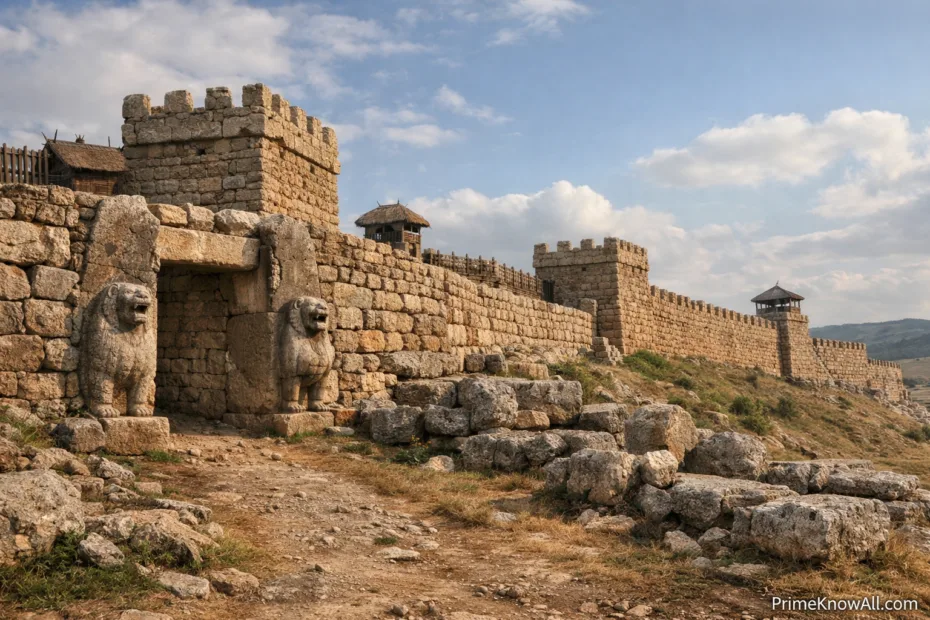
Hittite fortifications feature large stone walls and rugged terrain with a clear view of the surrounding landscape.

Hittite Fortifications and City Walls

Hittite fortifications combined stone foundations, thick mudbrick walls, timber reinforcement, towers, monumental gates, and carefully chosen terrain. At Hattusa, the Hittite capital, the entire system extended for more than 8 kilometers, while the Upper City was protected by a double fortification line with more than 100 towers and… 

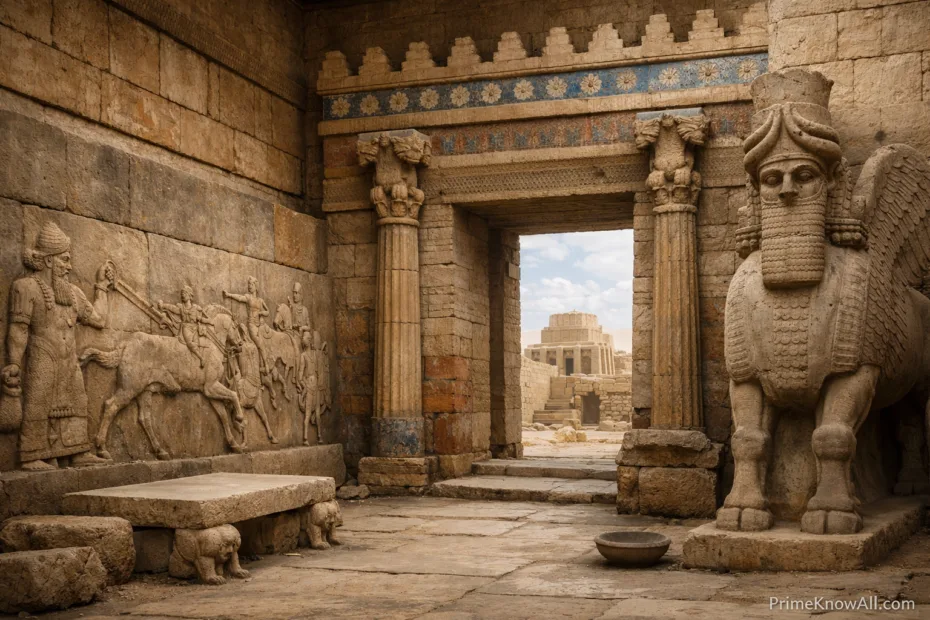
Ancient Assyrian palace entrance with elaborate stone columns and a carved archway.

Assyrian Palaces: Reliefs and Architecture

Assyrian royal palaces were designed as controlled sequences of courtyards, gateways, halls, and decorated rooms in which architecture and carved reliefs worked together. Their stone panels showed kings, attendants, supernatural protectors, military campaigns, hunts, tribute, and royal ceremonies, while colossal lamassu guarded important entrances. The best-known examples come… 

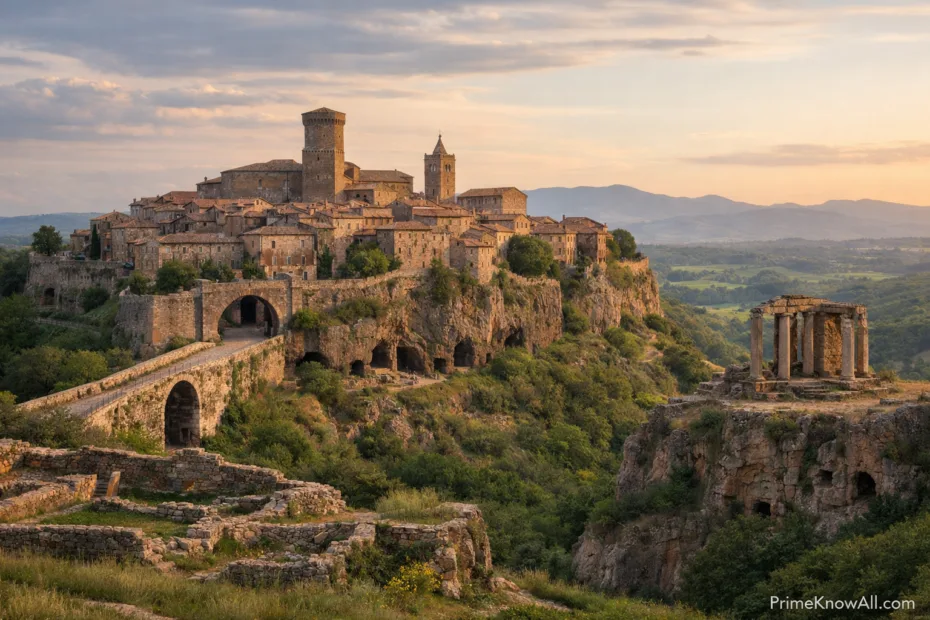
Etruscan city walls and a tower sit on a hillside surrounded by green hills and mountains.

Etruscan Cities: Urban Design Principles

Etruscan cities combined practical urban design with religious ideas, local terrain, water control, and civic organization. Some settlements, especially planned centers such as Kainua at Marzabotto, used broad streets, right-angle intersections, defined urban blocks, sanctuaries, workshops, and drainage as parts of one ordered layout. There was no single… 

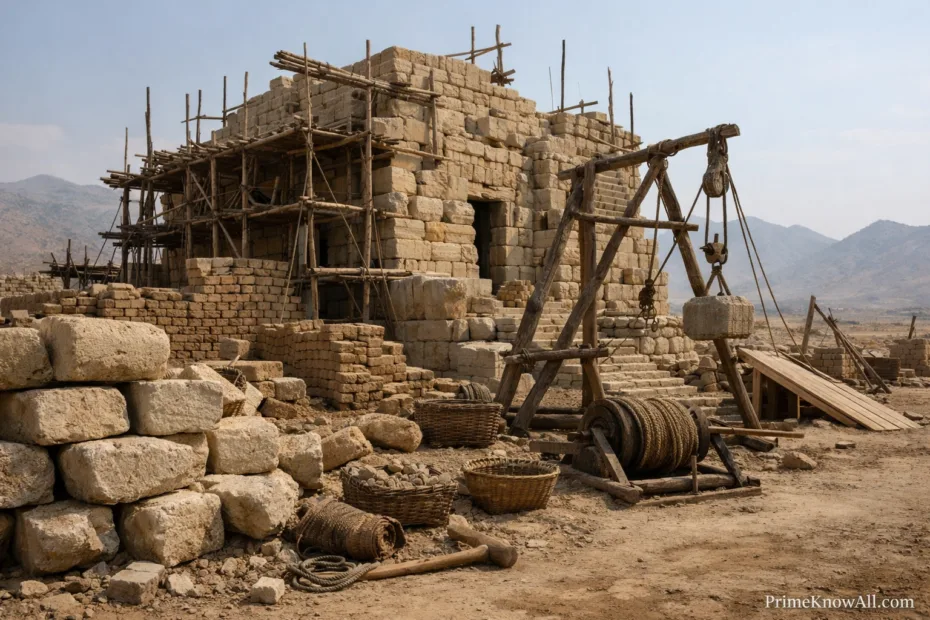
Ancient stone structure with wooden scaffolding supports construction walls and archways.

Ancient Construction Without Steel

Ancient construction without steel worked because builders used materials that are strong in compression and shaped buildings so weight moved downward, not sideways. Stone, brick, timber, lime mortar, rope, ramps, levers, and careful geometry did much of the work that modern projects now hand to steel. That is…