Skip to content
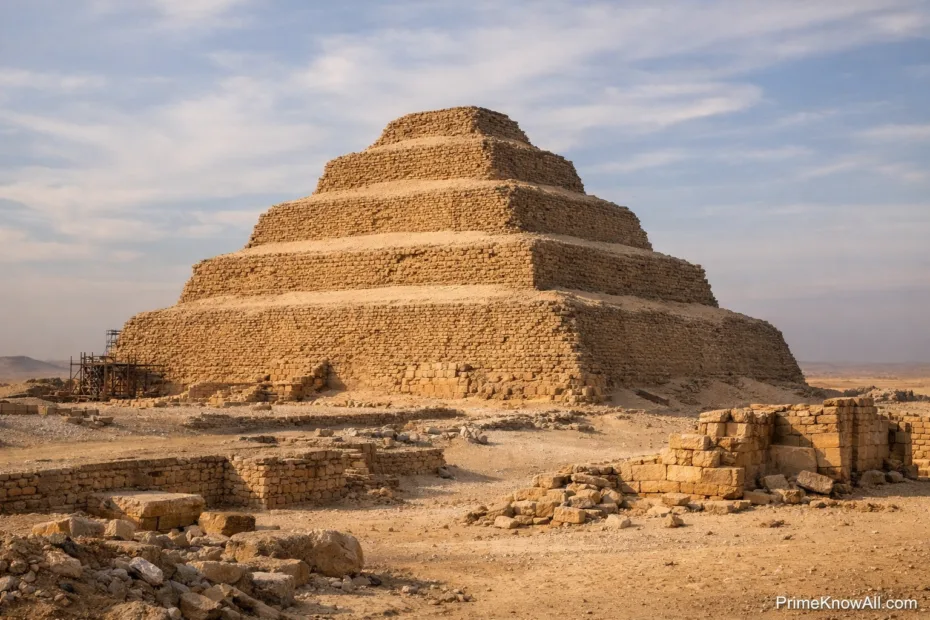
Step pyramid made of mud bricks rising in tiers against a clear sky.

Step Pyramids: Early Pyramid Design

Step pyramids were the bridge between Egypt’s flat-roofed mastaba tombs and the later smooth-sided pyramids. The best-known example is Djoser’s six-tier Step Pyramid at Saqqara, built during Egypt’s Third Dynasty in the 27th century BCE. Its design turned an established tomb form into a much taller stone monument… 
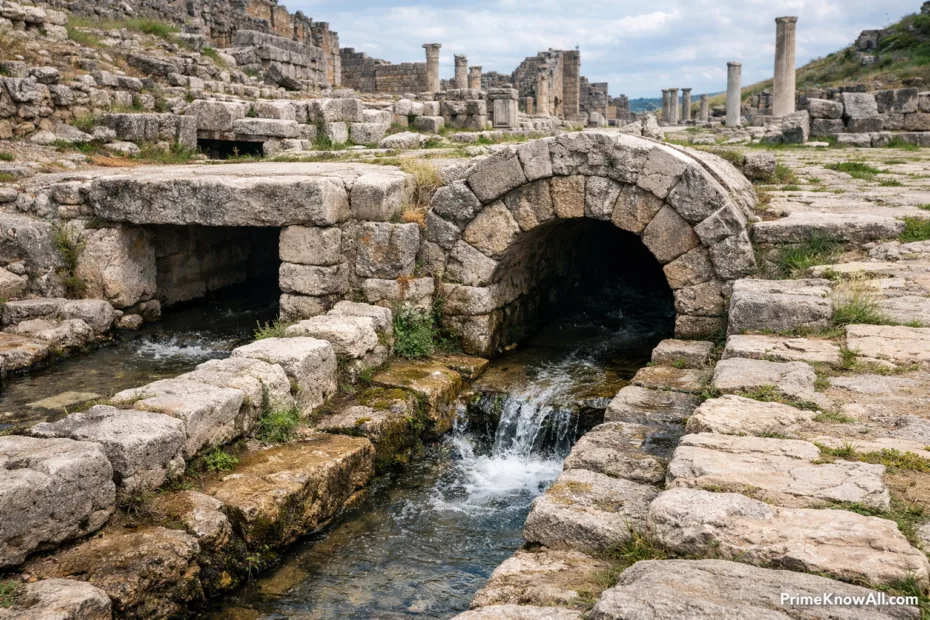
Ancient stone drain pipe with flowing water beneath ruins of an old city

Ancient City Drainage Systems

A city could not stay a city for long unless it learned how to move dirty water. Ancient city drainage systems were planned networks of slopes, channels, soak pits, covered drains, and main outlets that carried rainwater and wastewater away from streets, courtyards, and homes. The best-known examples… 

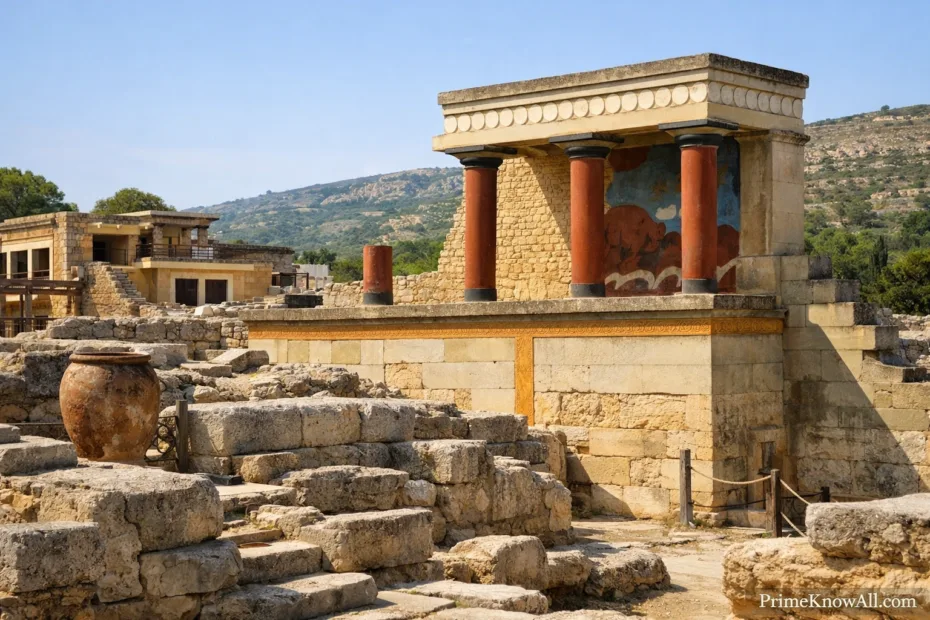
Minoan palace ruins with stone steps and colorful columns against a backdrop of hills and a blue sky.

Minoan Palaces of Crete

The Minoan palaces of Crete were not simply royal houses. They worked as multi-use urban centers where storage, ritual, administration, craft work, and public gathering were pulled together around a central court. That is why Knossos, Phaistos, Malia, Zakros, Zominthos, and Kydonia matter more as working systems than… 

Ancient stone walls and an open book on a wooden table in a dimly lit library setting.

Ancient Libraries: Alexandria and Others

Ancient libraries were organized collections of texts used for scholarship, government, religion, education, or private study. The Library of Alexandria became the best-known because the Ptolemies tied a vast papyrus collection to the Mouseion, a state-supported community of scholars; other libraries, from Ashurbanipal’s tablet collections at Nineveh to… 

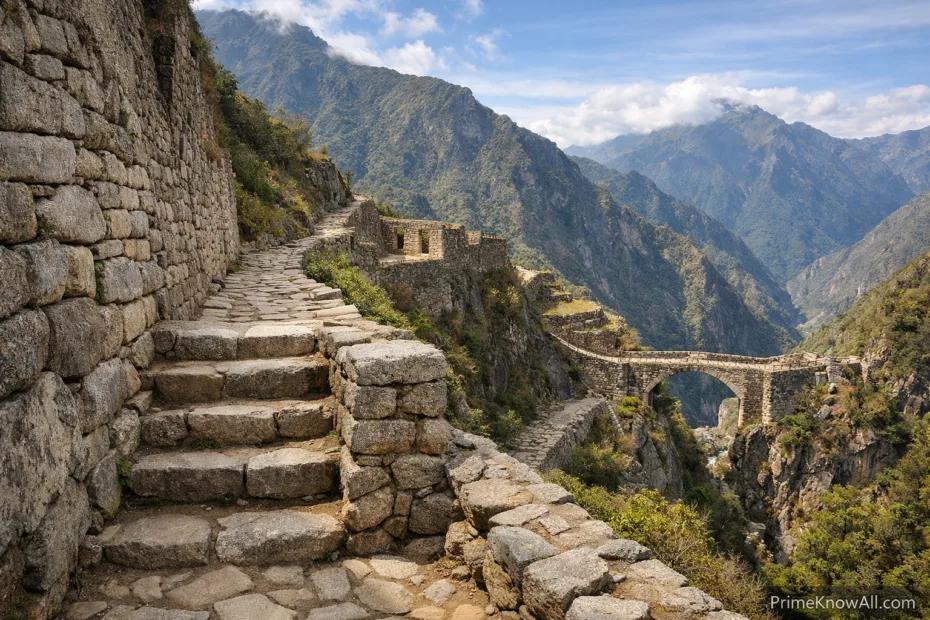
Inca stone steps and mountain trail winding through rugged terrain with peaks in the background.

Inca Road System and Stone Engineering

The Inca road system, known as the Qhapaq Ñan, was a continent-scale network of roads, bridges, stairways, retaining walls, drainage works, relay stations, and storage sites. It linked the Andes across what are now Peru, Ecuador, Bolivia, Chile, Argentina, and Colombia. Its builders did not force one road… 

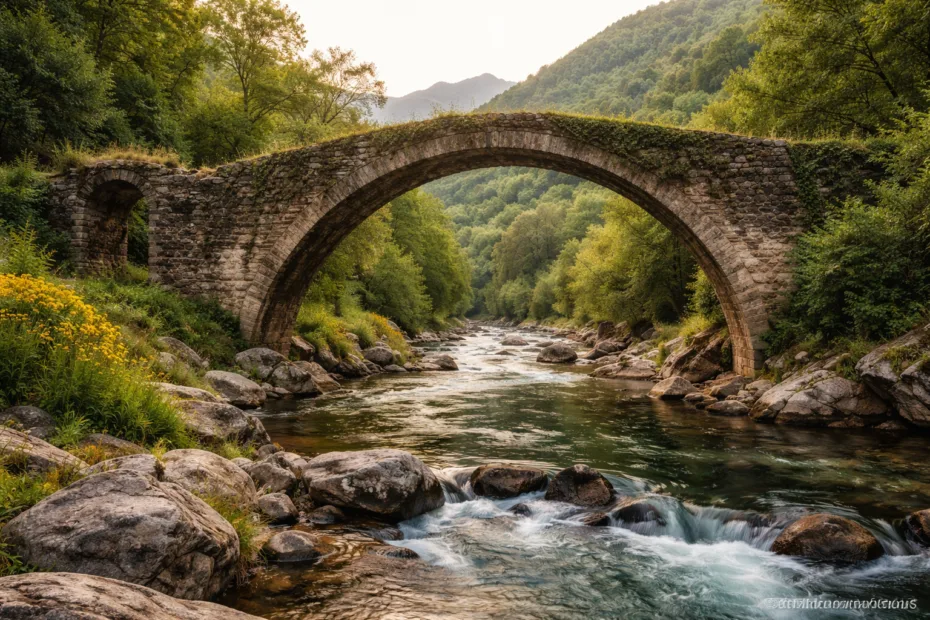
Ancient stone bridge arching over a flowing river surrounded by green trees and hills.

Ancient Bridges Still Standing Today

Yes, a small number of ancient bridges still stand and can still be crossed today. The best survivors tend to be stone arch bridges, because stone handles compression very well, and because later societies kept repairing and reusing them instead of walking away. Some bridges lasted longer than… 

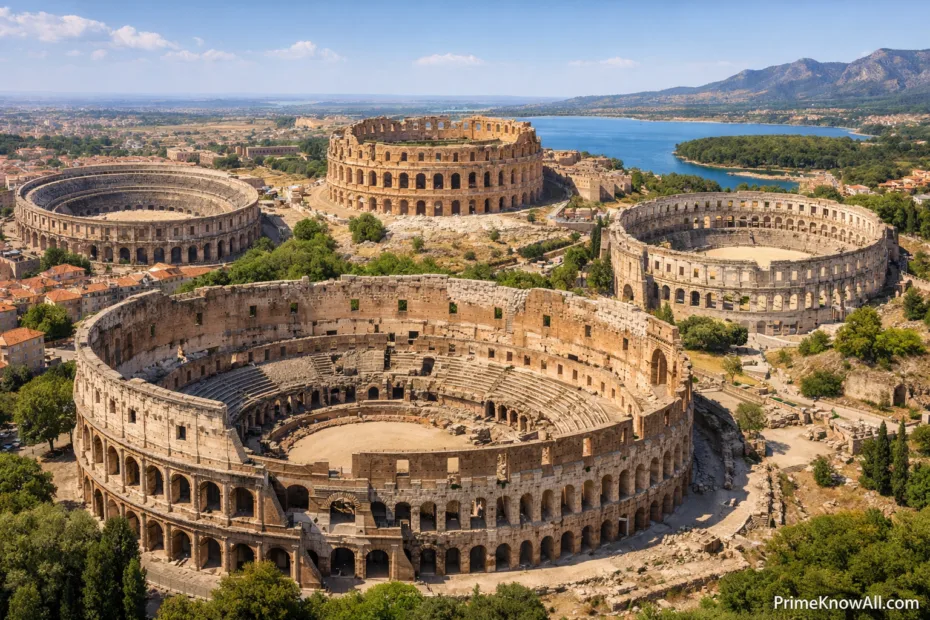
Roman amphitheater with multiple arches and stone walls near a body of water.

Roman Amphitheaters Across the Empire

Roman amphitheatres were oval or near-oval public arenas built across much of the Roman Empire for gladiatorial contests, animal hunts, public displays, and other spectacles. They combined a central arena with tiered seating, controlled entrances, service corridors, and, in some later buildings, elaborate underground machinery. Their spread was… 

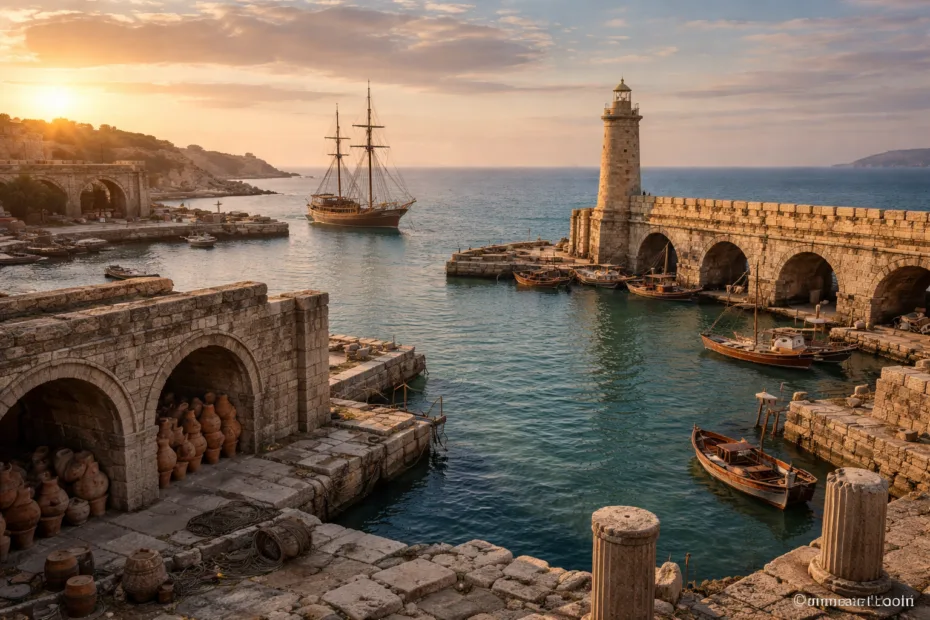
Ancient harbor with stone walls, a lighthouse, and a sailing ship in the background at sunset.

Ancient Harbors and Port Structures

Ancient harbors were engineered waterfront systems that protected ships, controlled access to shore, and moved cargo from water into cities. Their main structures included breakwaters, moles, quays, piers, slipways, shipsheds, warehouses, canals, and navigation markers. Some relied mainly on natural bays, while others reshaped the coastline with stone,… 

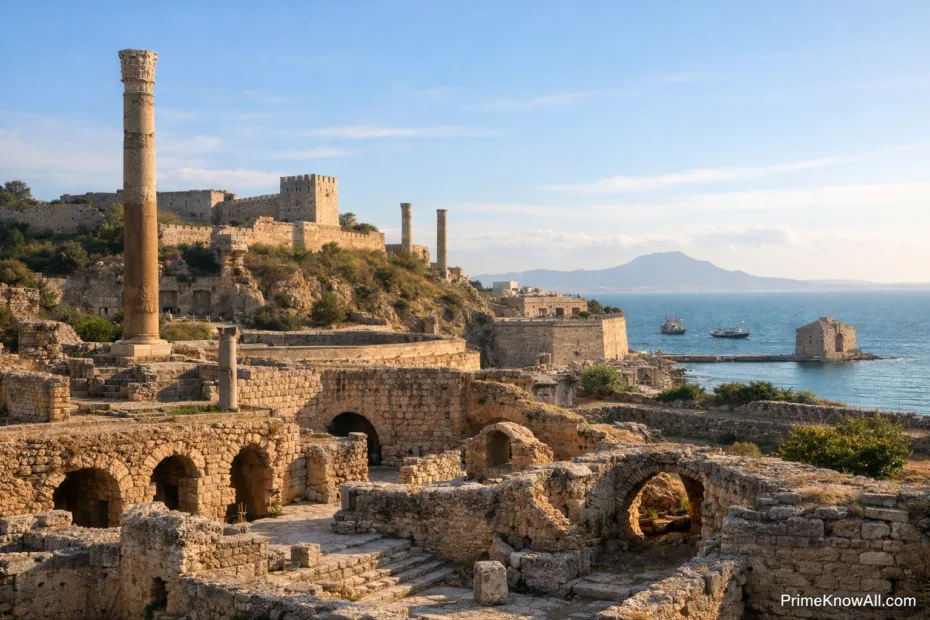
Ancient Carthage ruins show stone walls and fortifications beside the sea, illustrating military and urban planning.

Carthage: Urban and Military Design

In One Clear View: Carthage was not just a wealthy port. It was a carefully arranged urban machine where terrain, harbors, walls, storage, water systems, and ship handling worked together. That is why its urban design and military design are best understood as the same story. Carthage was… 

Ancient obelisk stands next to railroad tracks with an airplane flying overhead in the background.

Obelisks: Symbolism and Transportation

Obelisks were never just tall stones. In ancient Egypt, they were solar monuments cut from a single block, raised near temple entrances, and filled with royal messages about gods, kings, and order. What makes the subject so interesting is the double story. An obelisk is both a symbol… 

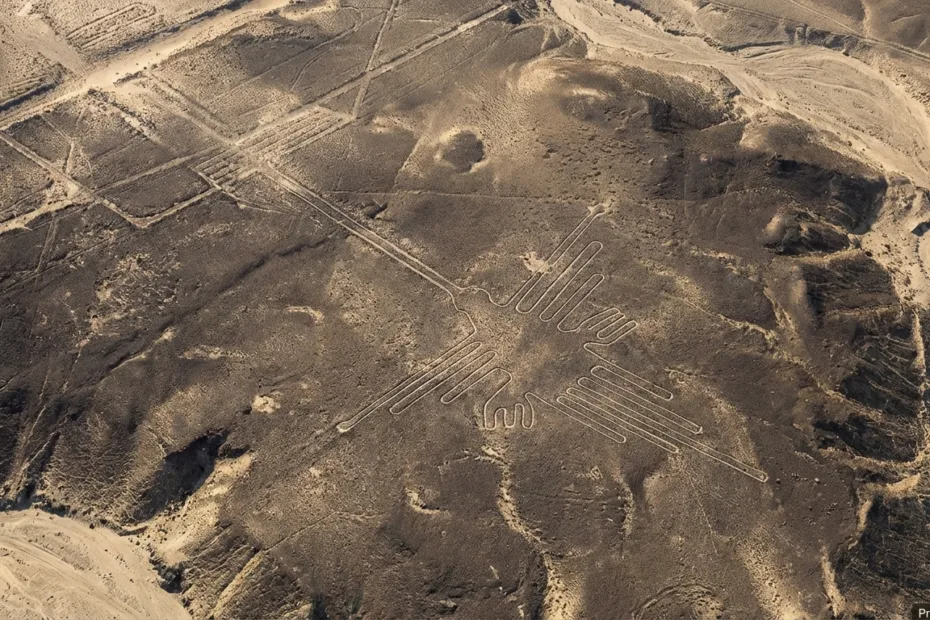
Nazca Lines depict large geometric shapes and animal figures etched into desert ground

Nazca Lines: Purpose and Creation

The Nazca Lines were made by removing dark, weathered stones from Peru’s desert surface so that lighter ground showed through. Most of the best-known geoglyphs were created between roughly 500 BCE and 500 CE, and the strongest archaeological evidence points to several related uses rather than one single… 

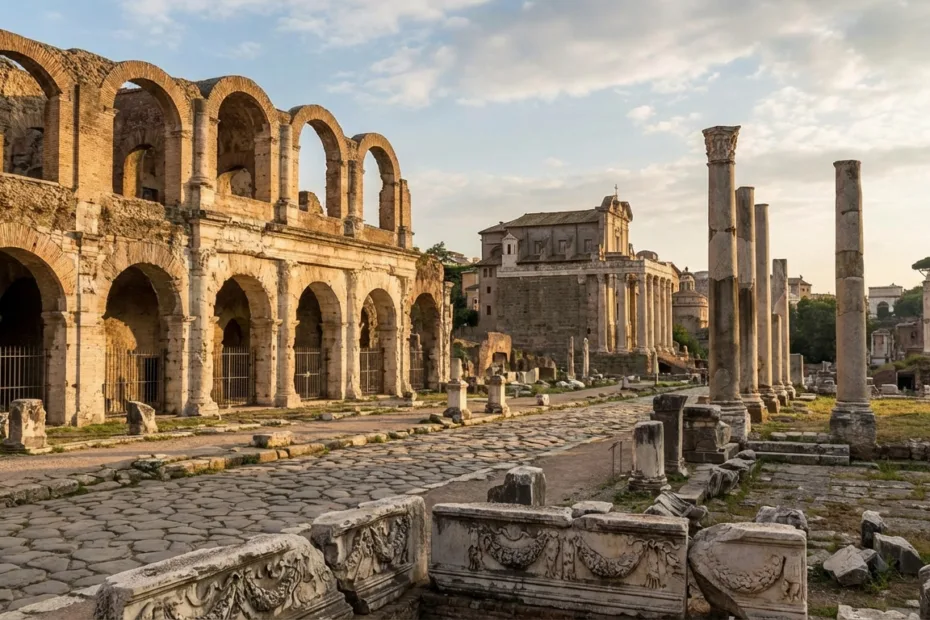
Ancient Roman forum with stone arches and columns showing ruins of civic architecture.

Roman Forums: Civic Architecture

The Roman Forum was the main civic center of ancient Rome. Its architecture brought senate business, public speech, law, religion, and state memory into one tightly arranged place. Buildings such as the Curia, Rostra, Basilica Julia, Basilica Aemilia, and Temple of Saturn did different jobs, but together they… 

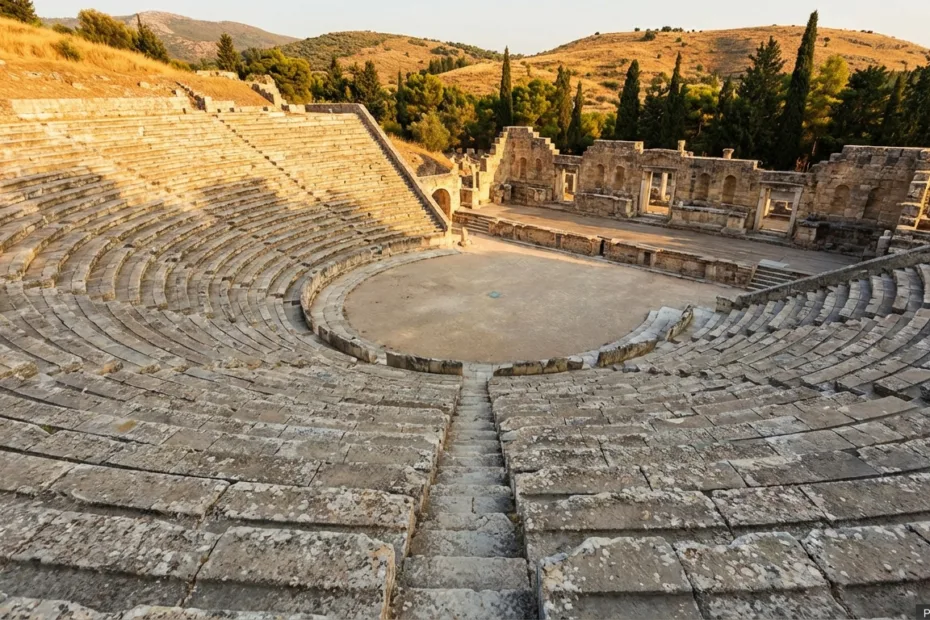
Ancient theater with stone seating and a central stage in an outdoor setting surrounded by trees and hills.

Ancient Theaters: Acoustic Engineering

Ancient theatres handled sound with geometry, stone, and distance control rather than hidden “amplifiers.” In the best-preserved examples, the shape of the seating bowl, the hard surfaces, the position of the performer, and the missing-or-preserved stage structures explain why speech could remain clear far beyond what most open… 

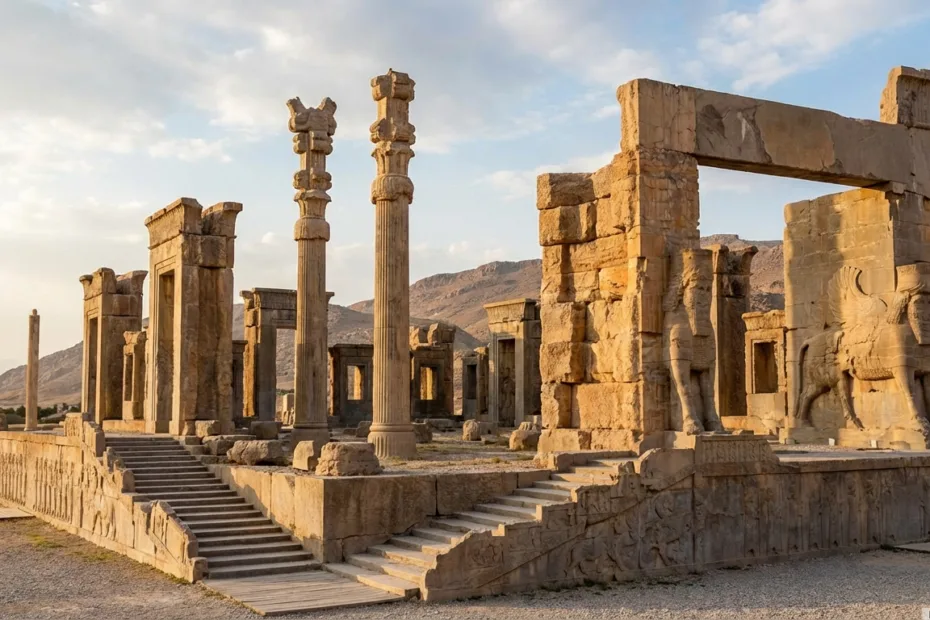
Persepolis ruins show tall stone columns and grand stone stairs under a clear sky.

Persepolis: Persian Empire Architecture

Persepolis was the Achaemenid Empire’s monumental royal complex, built on a vast stone terrace in southwestern Iran beginning around 518 BCE under Darius I. Its architecture combined columned audience halls, monumental gateways, broad ceremonial stairways, carved reliefs, mud-brick walls, timber roofs, drainage works, and carefully controlled routes through… 

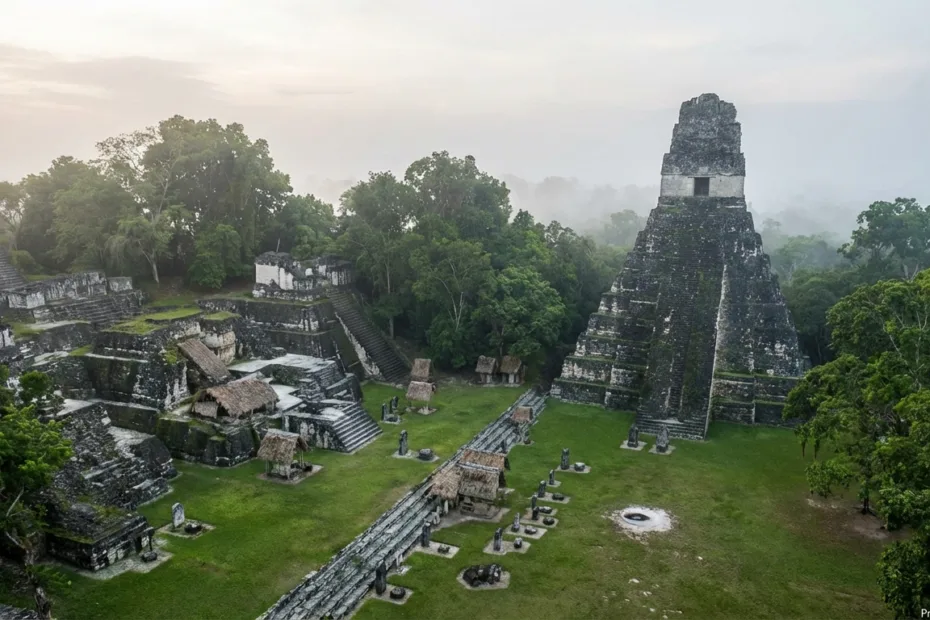
Tikal's ancient stone pyramid rises amidst lush greenery and scattered ruins in this aerial view.

Tikal: Mayan City Planning

Ultra Short Answer: Tikal was a planned Maya city built around plazas, acropolises, reservoirs, and raised causeways, not a random spread of monuments. Its layout answered three practical needs at once: water storage, movement, and public power. What Matters Most Tikal makes the most sense when it is… 

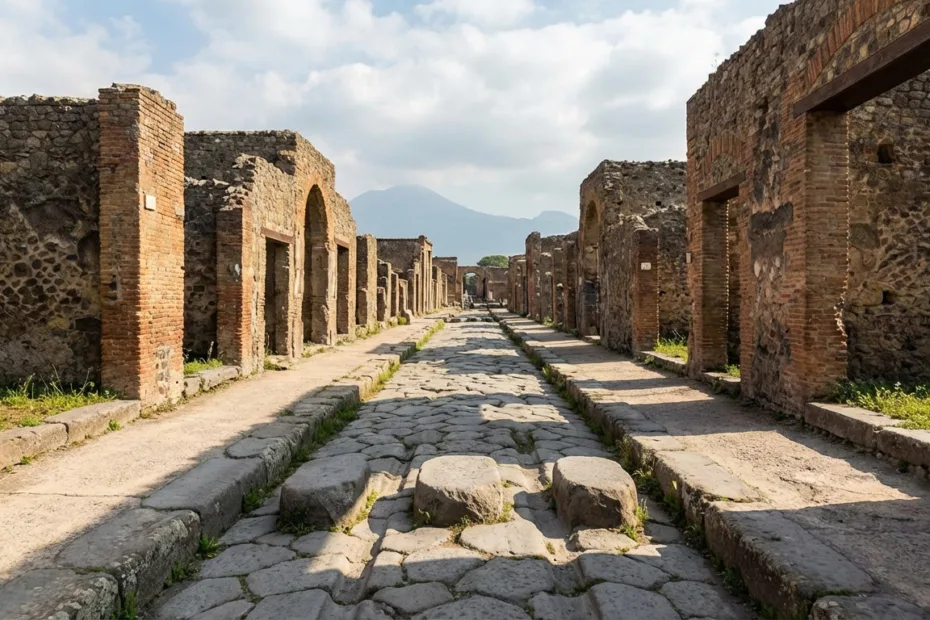
Ruined stone-paved street with weathered brick walls on either side in Pompeii city layout.

Pompeii: Urban Life and City Layout

Pompeii was a real city before it became a ruin. Its streets, blocks, shops, fountains, baths, and houses formed a working urban system, not a collection of isolated monuments. Reading Pompeii through its city layout makes daily Roman life easier to see: where people moved, where they met,… 

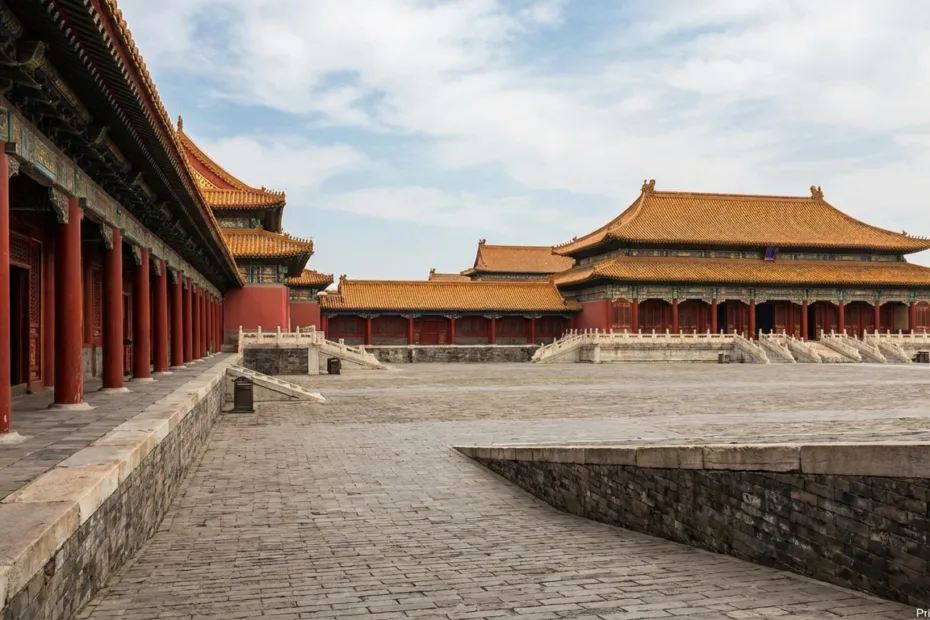
Red-painted palace buildings with ornate roofs within the Forbidden City courtyard.

Forbidden City: Ancient Chinese Palace Design

Forbidden City design turned imperial rule into physical space. Its long north-south axis, layered gates, raised terraces, and ranked halls were not decoration alone; they sorted ceremony, family life, and state authority inside one walled palace city. The Forbidden City was completed in 1420, served 24 emperors of… 

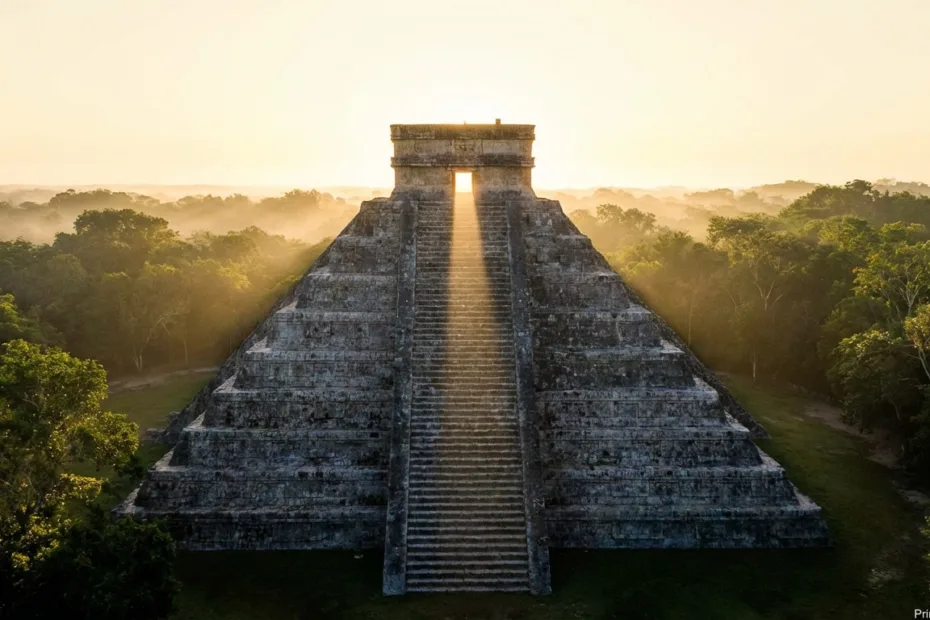
Mayan pyramid with a wide staircase leading to a flat top against a hazy sky backdrop.

Mayan Pyramids: Astronomical Alignment

Maya pyramids were often placed so sunlight, shadow, and horizon points could mark dates that mattered for ceremony, farming, and public life. The serpent-shaped shadow at El Castillo is the best-known example, but it is only one piece of a wider Maya habit: turning architecture into a public… 

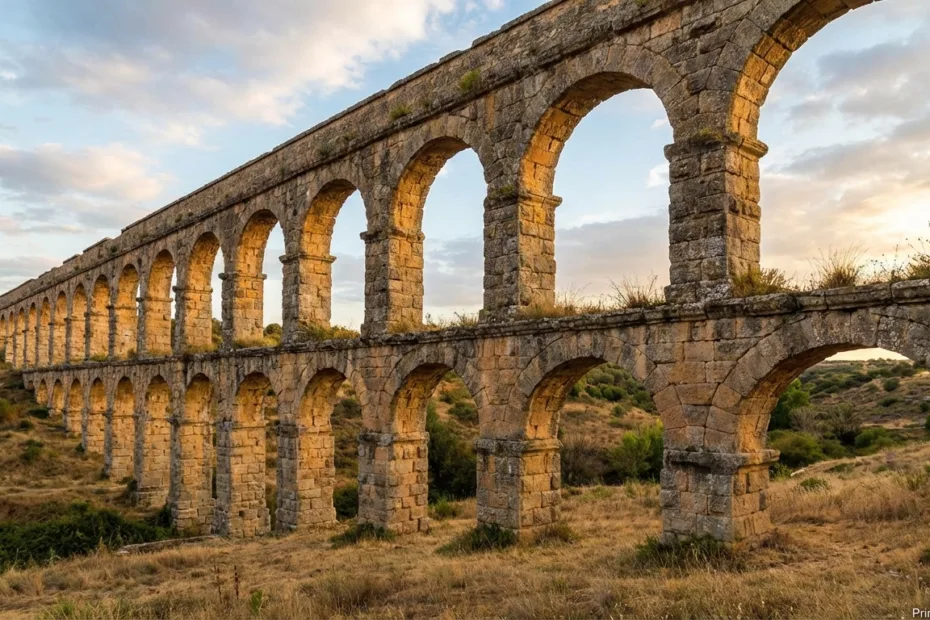
Roman aqueduct with a series of stone arches stretching across a landscape under a blue sky.

Roman Aqueducts: Water Transport Systems

Roman aqueducts moved water over long distances by keeping a small, controlled downhill slope from the source toward a town or city. Much of a route could run through buried masonry channels; bridges, arches, tunnels, reservoirs, and pressure pipes were used where the terrain made them useful. The…