Skip to content
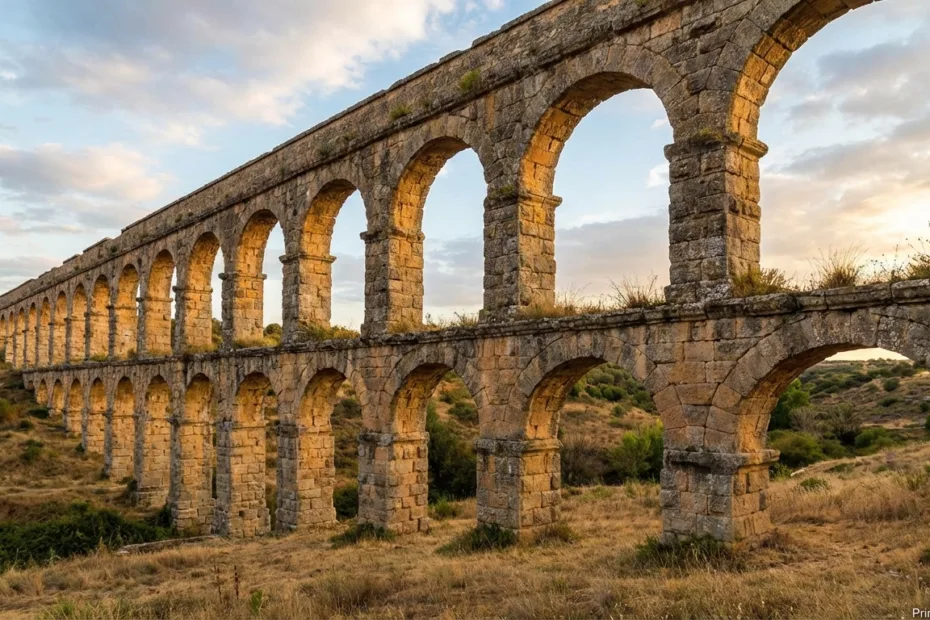
Roman aqueduct with a series of stone arches stretching across a landscape under a blue sky.

Roman Aqueducts: Water Transport Systems

Roman aqueducts were gravity-fed water systems that carried water from higher sources into towns and cities through channels, tunnels, bridges, and pressure pipes. Their real achievement was not the arches alone, but the precise slope, waterproof construction, steady upkeep, and citywide distribution that turned moving water into urban… 
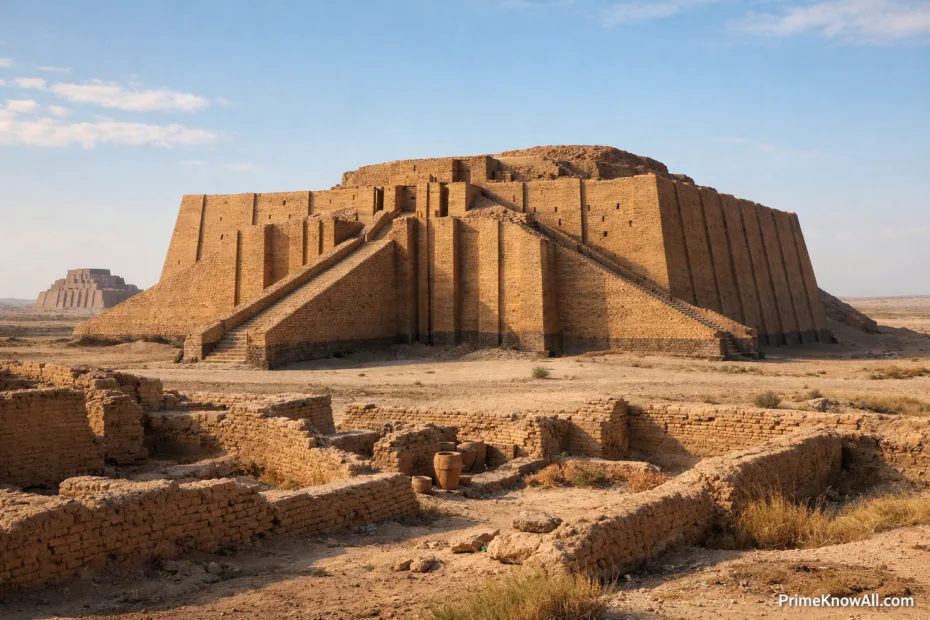
Mesopotamian ziggurat with stepped terraces and staircase leading to the top

Ziggurats of Mesopotamia Explained

Ziggurats were the skyline of ancient Mesopotamian cities: brick-made hills raised on purpose, not by nature. A ziggurat is an stepped temple tower built in stacked levels, with an upper shrine that sat above the noise and dust of daily life. In practical terms, it was a city’s… 

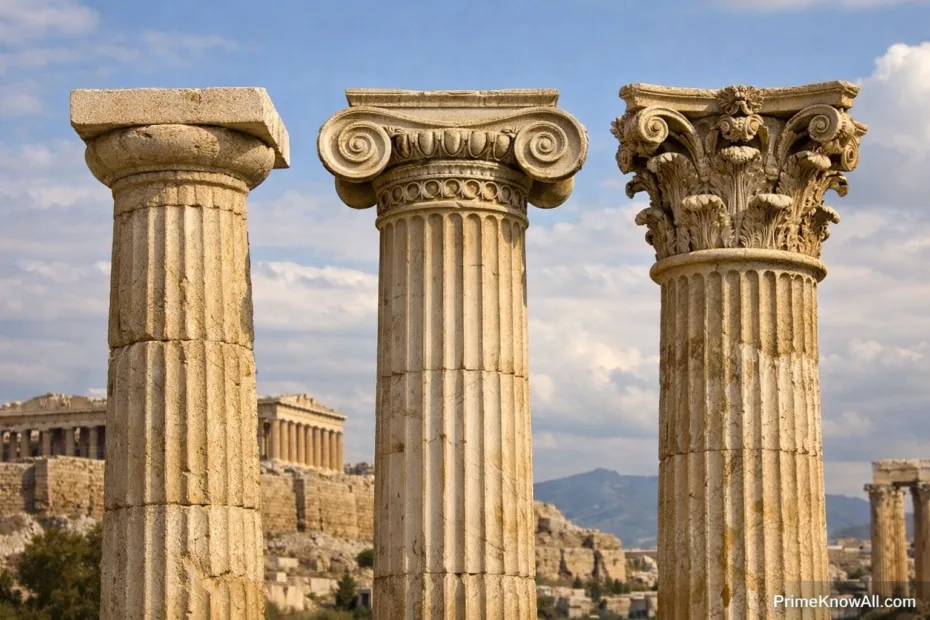
Ancient Greek temple columns with fluted shafts and ornate capitals stand tall against a clear sky.

Ancient Greek Temples: Column Orders

Ancient Greek column orders are the Doric, Ionic, and Corinthian styles—each defined by a particular capital and the horizontal parts above it. Read the capital plus the frieze, and you can often tell what you’re looking at in seconds. That skill also helps you notice when a temple’s… 

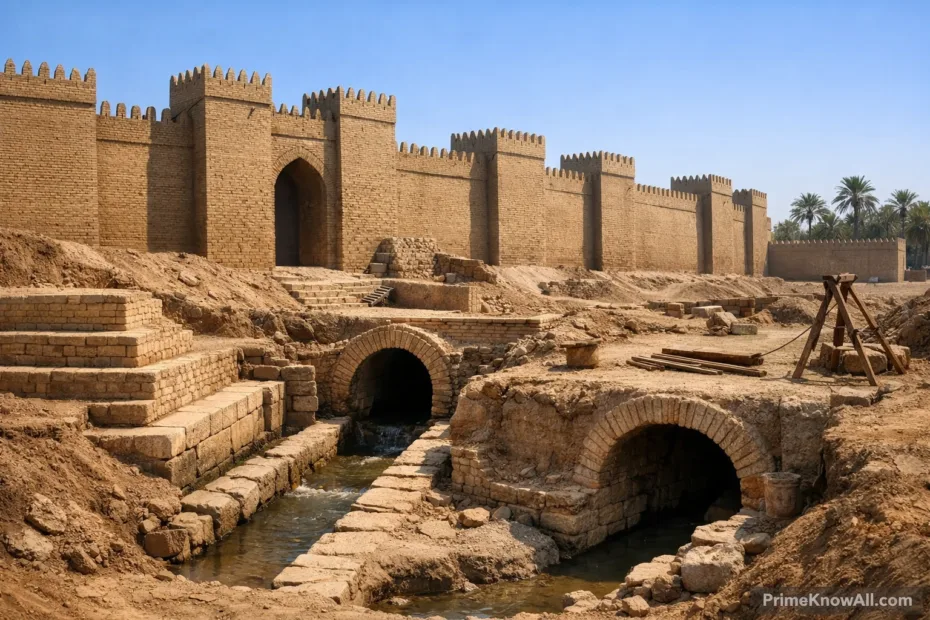
Babylonian city walls with large clay bricks and towered battlements stretch across the image.

Babylonian City Walls: Engineering Methods

Ultra-short answer: Babylon’s city walls worked because they combined a mudbrick core with tougher baked-brick facing where water and impact hit hardest, and used bitumen as a sealant in vulnerable joints. Engineering method: build in layers, control moisture, and make the base far thicker than the top. What… 

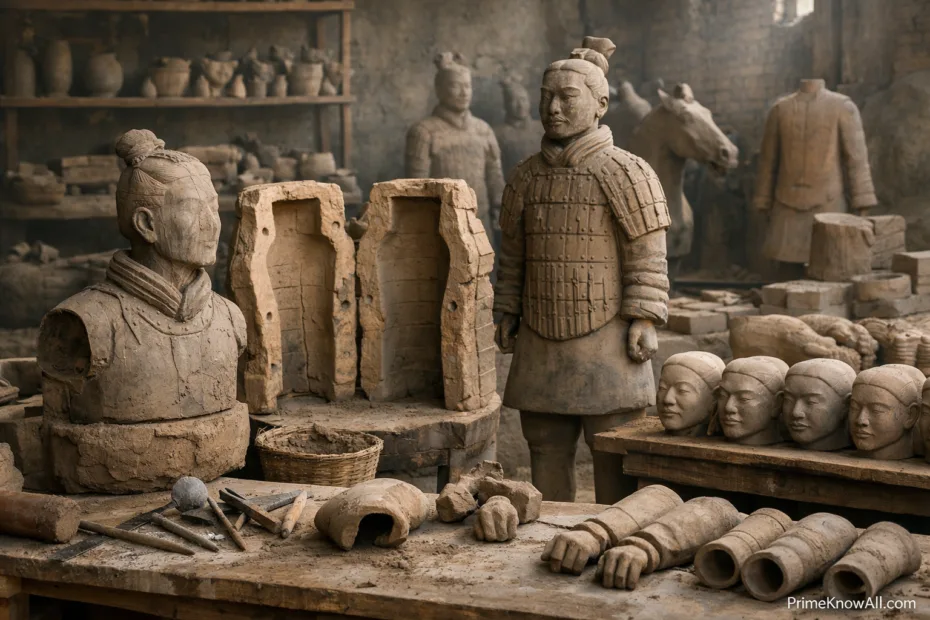
Clay soldiers and terracotta warrior busts laid out on a table in a workshop.

Terracotta Army: Production Methods

Ultra-short answer: The Terracotta Army was made with a modular clay workflow: standard parts shaped with molds and hand-building, then assembled, finished for realism, fired in kilns, and finally painted over lacquer. Makers left stamps, incisions, and occasional ink marks that hint at quality control and workshop routines.… 

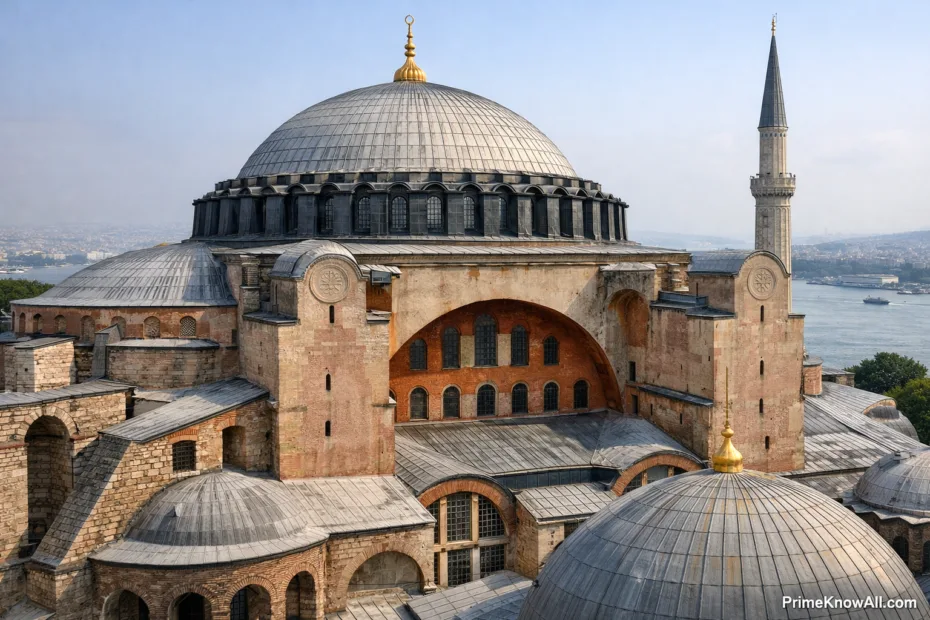
View of Hagia Sophia's massive central dome resting on pendentives over stone arches.

Hagia Sophia: Structural Innovations

Hagia Sophia stays standing by steering the dome’s weight into four giant piers through pendentives and massive arches.Half-domes and thick walls push back against sideways forces, while light brick-and-mortar keeps the roof from becoming too heavy.Repairs, buttresses, and modern monitoring have kept this 6th-century structure workable in a… 

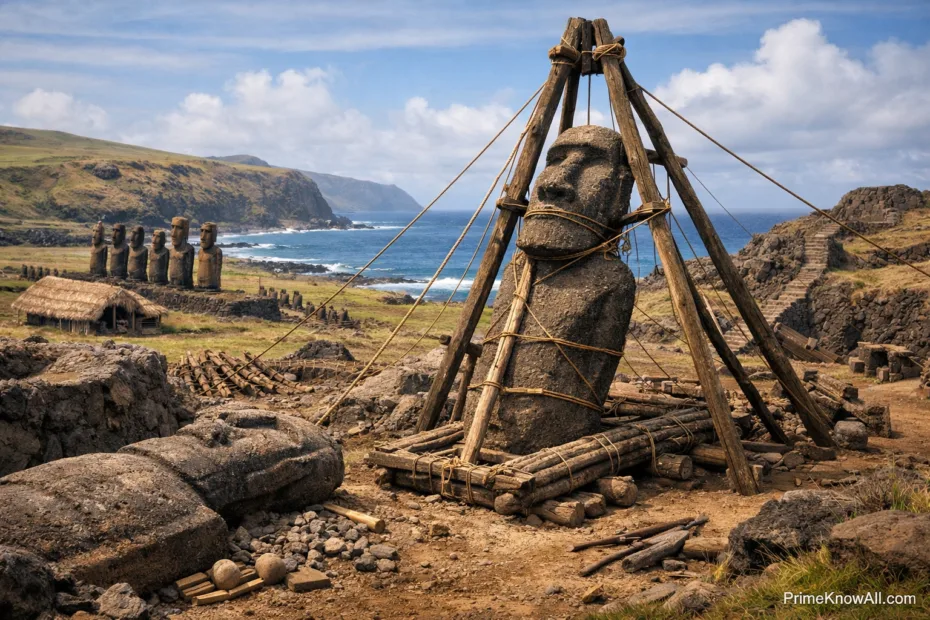
A moai statue under construction with wooden supports and scaffolding on Easter Island.

Easter Island Moai Statues: Construction Methods

Ultra-short answer Most moai were carved from soft volcanic tuff at Rano Raraku, freed from the bedrock, then moved with rope control—either upright in a rocking “walk” or on low supports—and finally raised onto stone platforms using ramps, levers, and careful balancing. The final finishing (details, eye sockets,… 

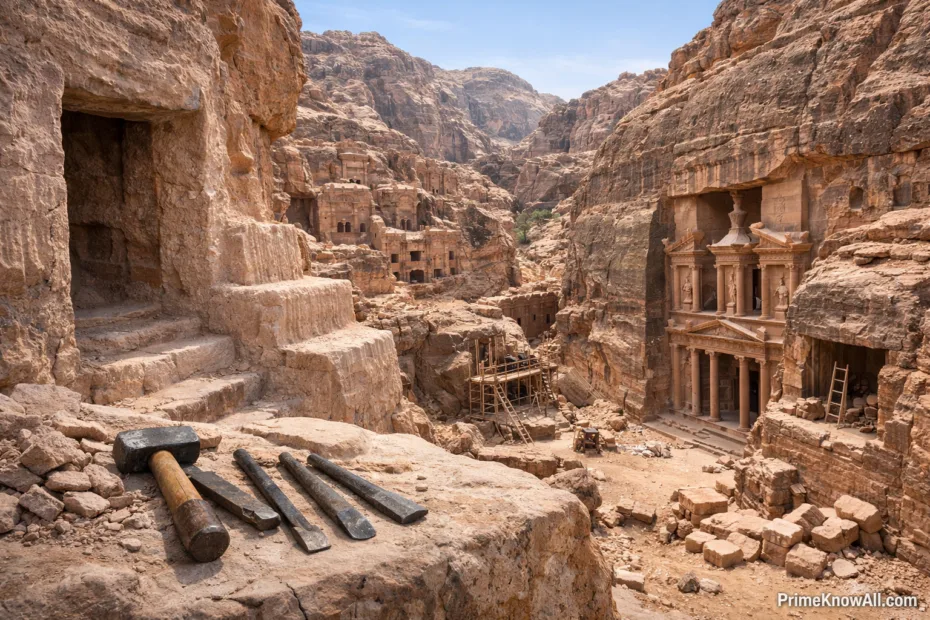
Ancient rock-cut steps lead through the cliffs of Petra with carved facades visible in the background.

Petra: Rock-Cut Architecture Techniques

Petra’s rock-cut buildings were shaped by a simple method: workers mapped a facade on the cliff, then carved downward in controlled stages so the final surface stayed clean and symmetrical. The “buildings” are often sculpted fronts, not stacked blocks, and the sandstone itself acts like both material and… 

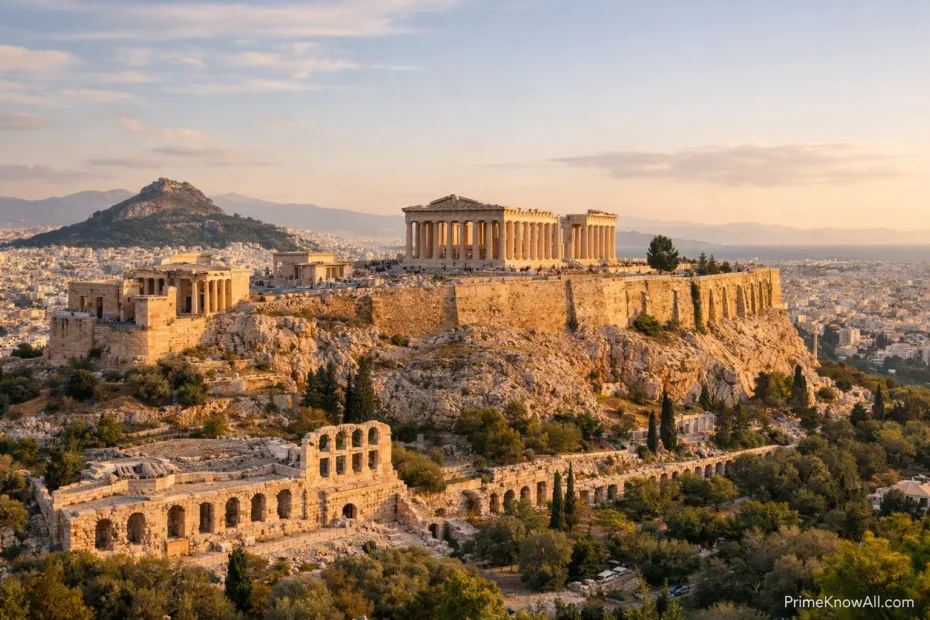
View of the ancient Acropolis of Athens showing the Parthenon atop the rocky hill with surrounding ruins at sunset.

Acropolis of Athens: Purpose and Layout

The Acropolis of Athens was built to stage a city’s identity in stone—religion, civic memory, and state ritual all in one place. Its layout is a deliberate sequence: a controlled western entry through the Propylaia, then a rising walk that frames the Parthenon and leads to smaller cult… 

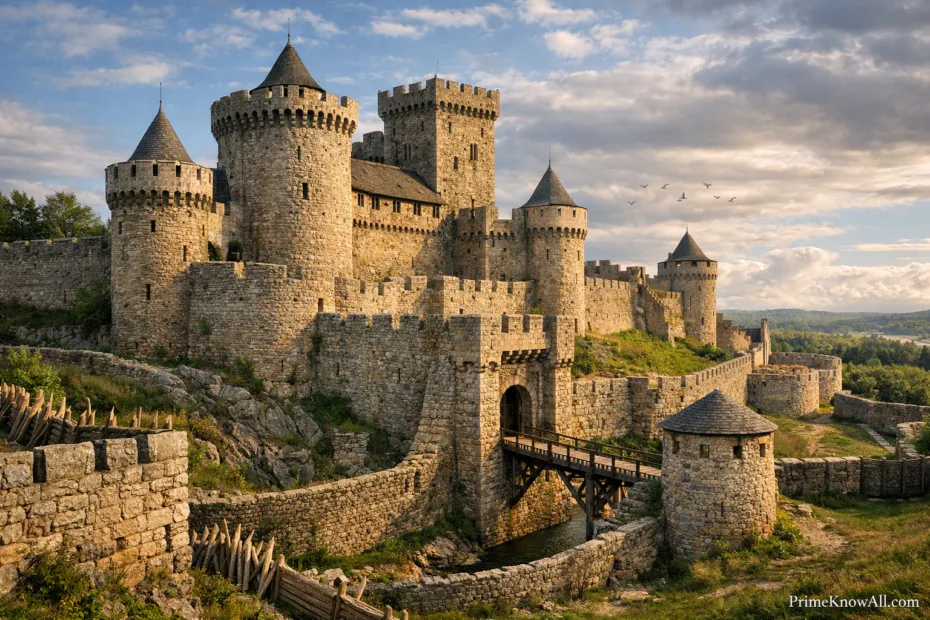
Medieval castle with tall stone towers and crenellated walls under a cloudy sky.

Medieval Castles: Defensive Architecture

Ultra-Short Answer Medieval castle defenses worked as a layered system: the landscape slowed you down, the walls and towers controlled sightlines, and the gate turned entry into a managed bottleneck. A “strong” castle wasn’t just thick stone—it was smart geometry, controlled movement, and reliable everyday logistics. A Few… 

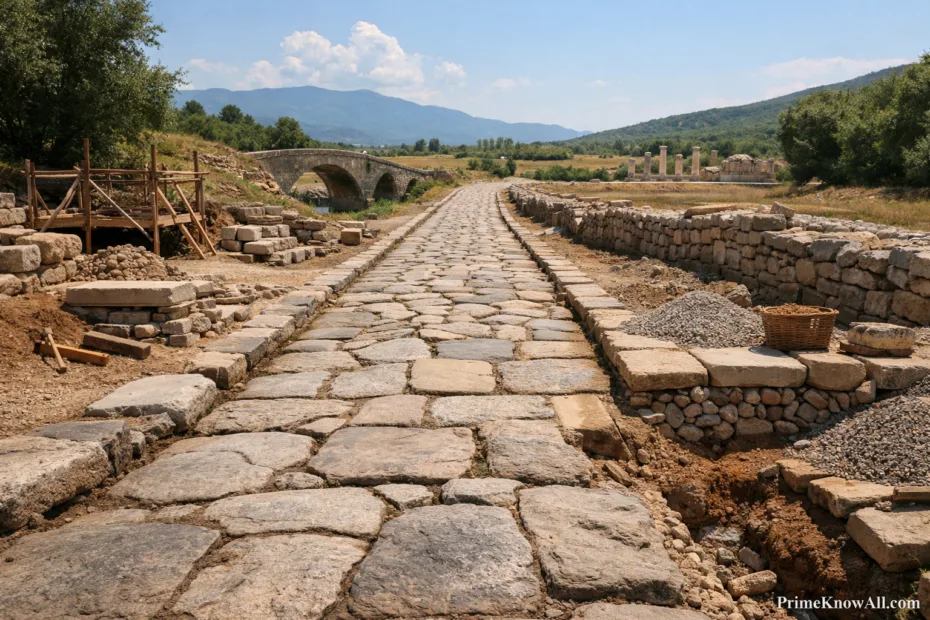
Ancient Roman stone road stretches into the distance with surrounding rural landscape and mountains in the background.

Roman Roads: Construction and Durability

Ultra-Short Answer Roman roads lasted because their foundations drained water, their layers spread loads, and the state treated roads as maintained infrastructure rather than a one-time build. The famous layered “recipe” (statumen, rudus, nucleus, plus a hard surface) existed, but many routes used simpler local builds that still… 

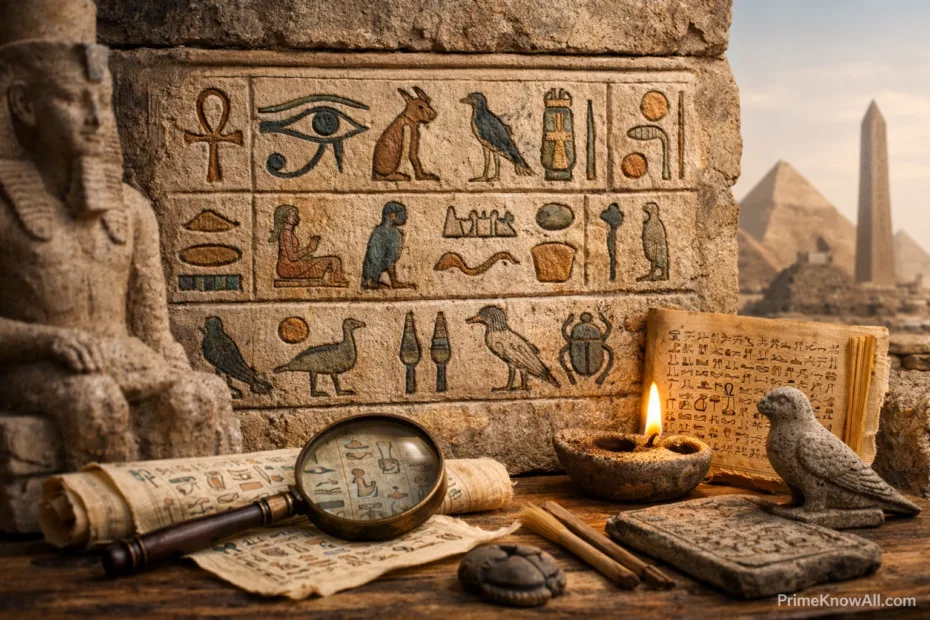
Ancient Egyptian hieroglyphs painted on limestone wall with an oil lamp and carved stone tools nearby.

Ancient Egyptian Hieroglyphs Explained

Ancient Egyptian hieroglyphs are a complete writing system, not a picture puzzle: many signs spell consonant sounds, while others show meaning or clarify a word’s category. Read them as sound + sense working together, shaped by art and layout as much as by grammar. This guide explains how… 

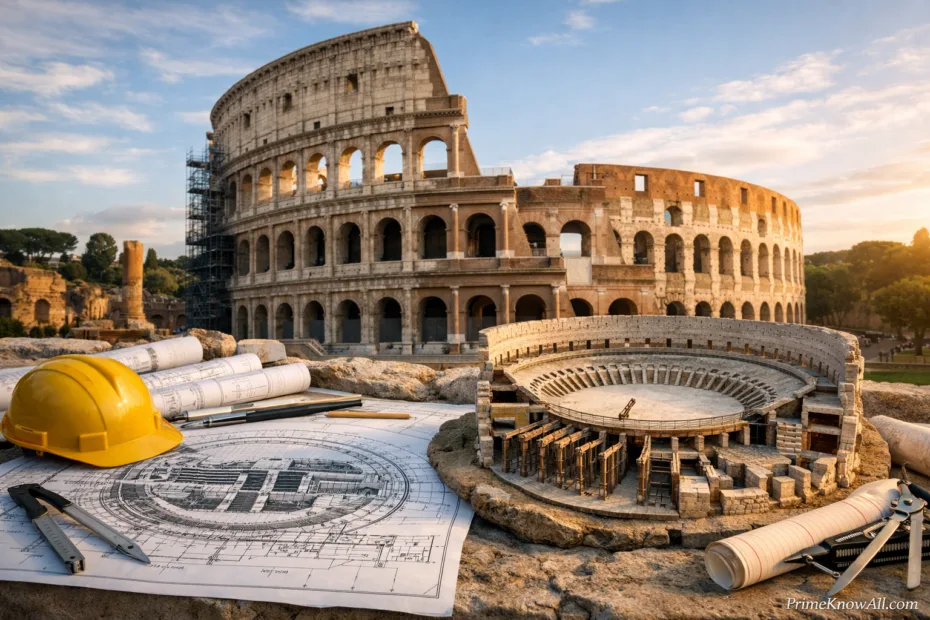
Roman Colosseum shows arches and stone construction highlighting engineering brilliance.

Colosseum of Rome: Engineering Design

The Colosseum’s engineering design is a layered ring of stone piers and concrete vaults that turns a huge crowd venue into a stable, fast-moving system. Its elliptical geometry spreads loads in compression, while nested corridors and staircases move thousands of people with surprisingly modern efficiency. What To Keep… 

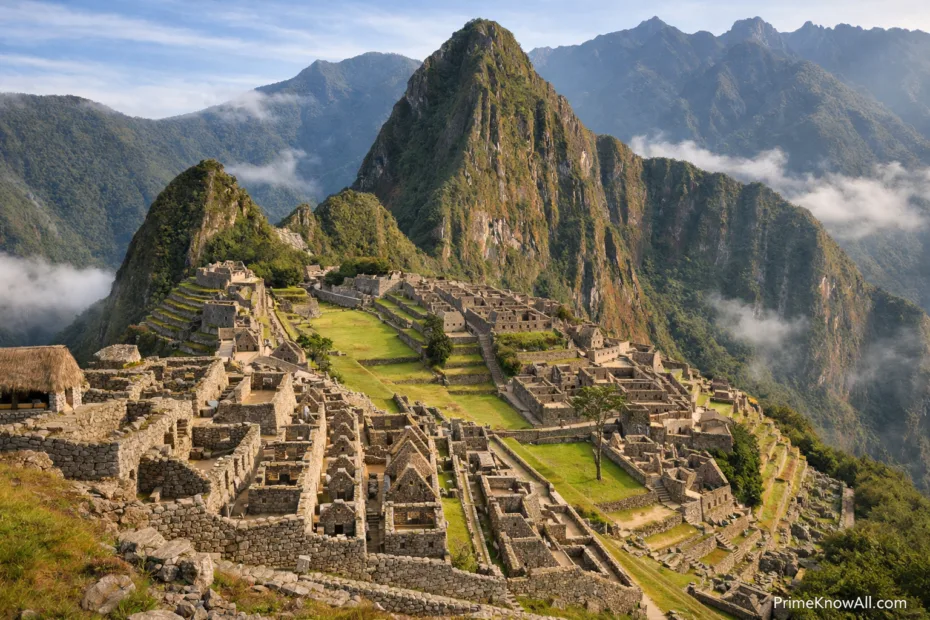
Machu Picchu's ancient stone terraces and steep mountain backdrop showcase Inca urban planning.

Machu Picchu: Inca Urban Planning

Machu Picchu is often described as a lost city, but its real power comes from something more practical: planning. Perched on a narrow Andean ridge about 2,430 meters above sea level, the site reads like a carefully engineered blueprint where terrain, water, agriculture, and social space are designed… 

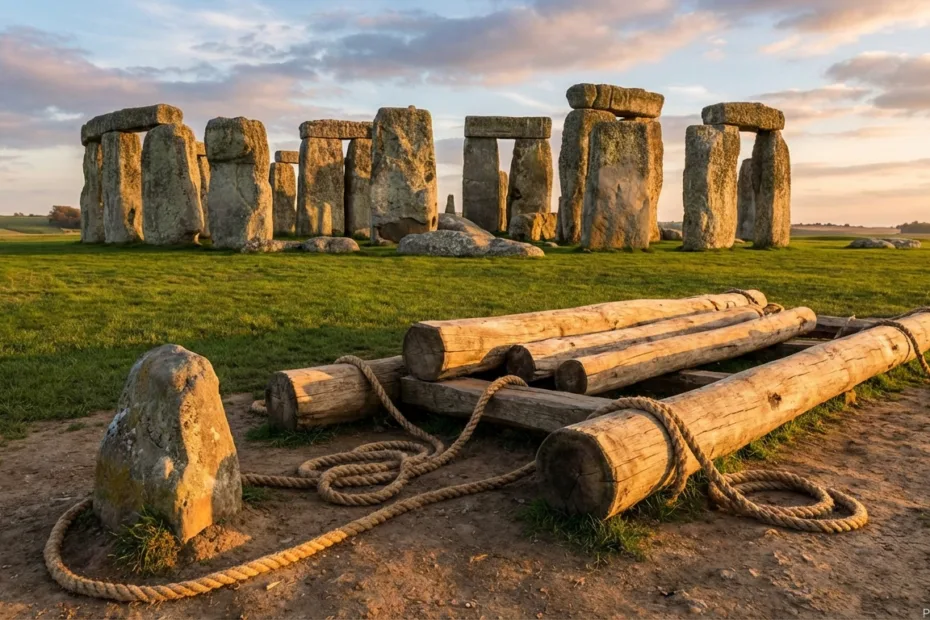
Stonehenge stones and wooden logs used for transport are visible in the image.

Stonehenge: How the Stones Were Moved

Stonehenge looks like the definition of immovable: towering uprights, heavy lintels, and a layout that feels locked into the chalk of Salisbury Plain. Yet every block there is the end point of deliberate movement—stone chosen, freed, hauled, guided, and finally raised with surprising precision. The real mystery is… 

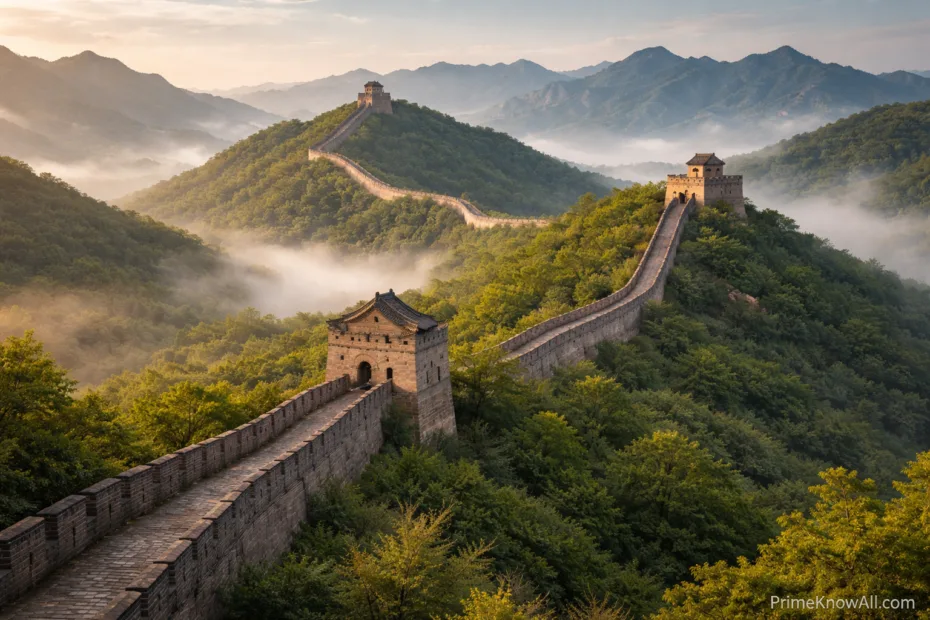
Great Wall of China stretches over rugged mountains with watchtowers along the length.

Great Wall of China: Structure and Sections

The Great Wall of China is not one continuous ribbon of stone. It is a layered defensive landscape made of walls, passes, towers, trenches, and fortresses built and rebuilt across many centuries. What most people picture today—high crenellated ramparts with brickwork and frequent watchtowers—comes largely from the Ming-era… 

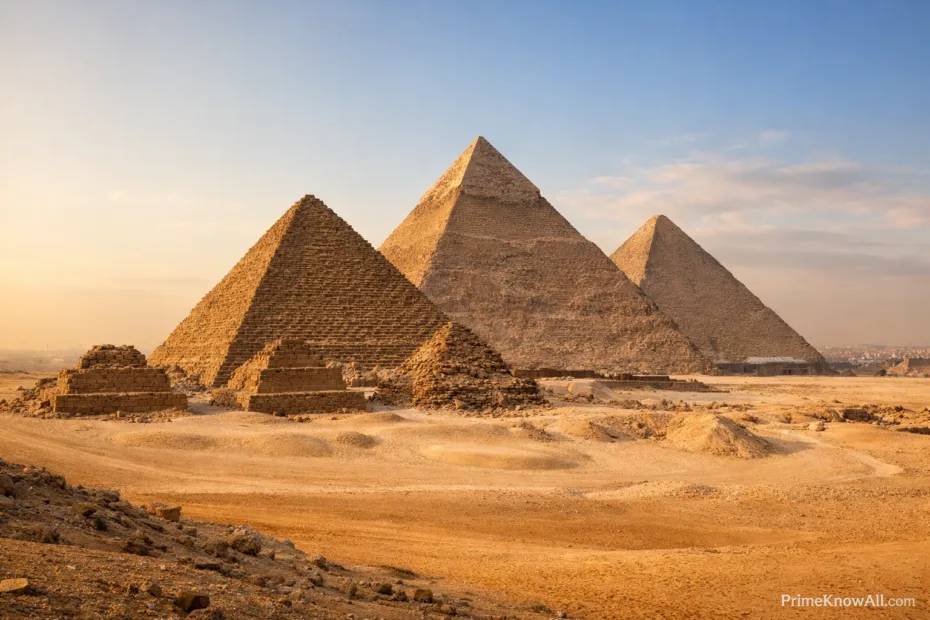
Pyramids of Giza with large limestone blocks and the desert in the background

Pyramids of Giza: Construction Techniques

The Pyramids of Giza are not just ancient monuments; they are a record of organized engineering on a massive scale. Built with stone blocks that had to be cut, moved, raised, and set with surprising accuracy, these structures reveal practical solutions to problems that still matter in construction,…