Skip to content
Ancient theater with stone seating and a central stage in an outdoor setting surrounded by trees and hills.

Ancient Theaters: Acoustic Engineering

Ancient theatres handled sound with geometry, stone, and distance control rather than hidden “amplifiers.” In the best-preserved examples, the shape of the seating bowl, the hard surfaces, the position of the performer, and the missing-or-preserved stage structures explain why speech could remain clear far beyond what most open… Ancient Theaters: Acoustic Engineering

Persepolis ruins show tall stone columns and grand stone stairs under a clear sky.

Persepolis: Persian Empire Architecture

Ultra Short Answer: Persepolis was not just a royal showpiece. It was a carefully engineered Persian imperial complex where architecture, sculpture, color, and movement worked together to present order, hierarchy, and the reach of the Achaemenid Empire. Persepolis looks like stone frozen in place, but its architecture was… Persepolis: Persian Empire Architecture

Red-painted palace buildings with ornate roofs within the Forbidden City courtyard.

Forbidden City: Ancient Chinese Palace Design

Forbidden City design turned imperial rule into physical space. Its long north-south axis, layered gates, raised terraces, and ranked halls were not decoration alone; they sorted ceremony, family life, and state authority inside one walled palace city. The Forbidden City was completed in 1420, served 24 emperors of… Forbidden City: Ancient Chinese Palace Design

Roman aqueduct with a series of stone arches stretching across a landscape under a blue sky.

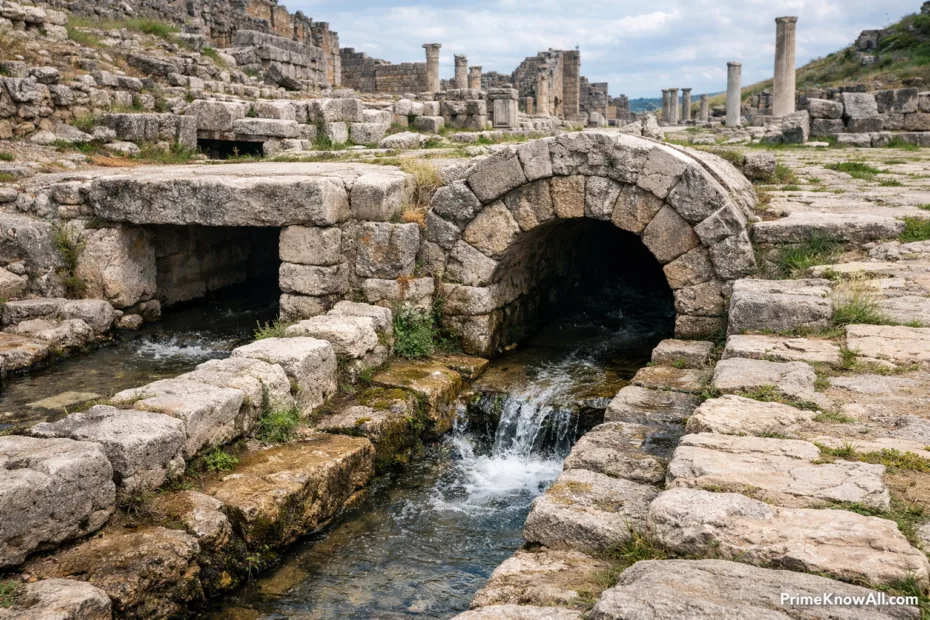
Roman Aqueducts: Water Transport Systems

Roman aqueducts were gravity-fed water systems that carried water from higher sources into towns and cities through channels, tunnels, bridges, and pressure pipes. Their real achievement was not the arches alone, but the precise slope, waterproof construction, steady upkeep, and citywide distribution that turned moving water into urban… Roman Aqueducts: Water Transport Systems

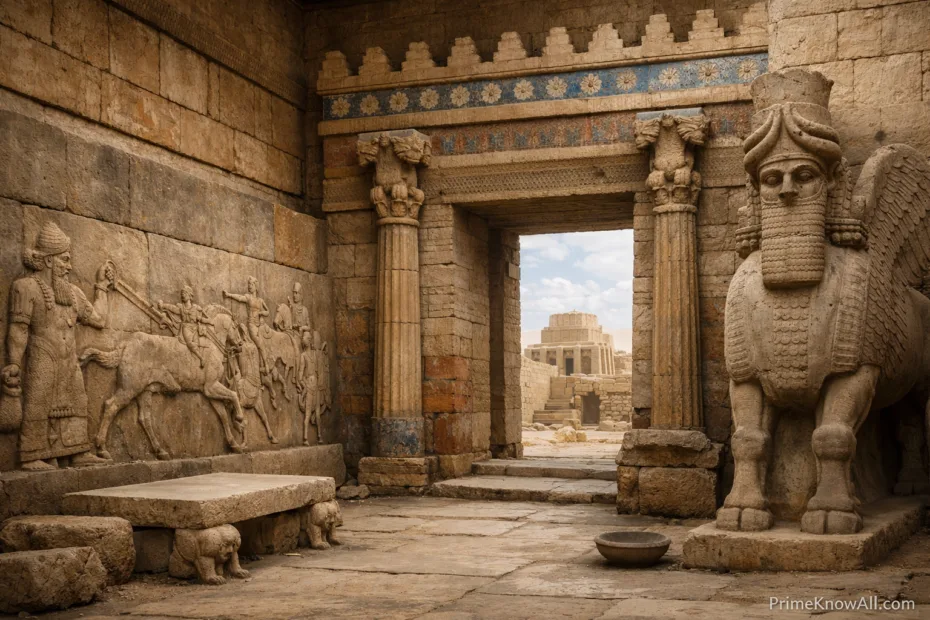
Babylonian city walls with large clay bricks and towered battlements stretch across the image.

Babylonian City Walls: Engineering Methods

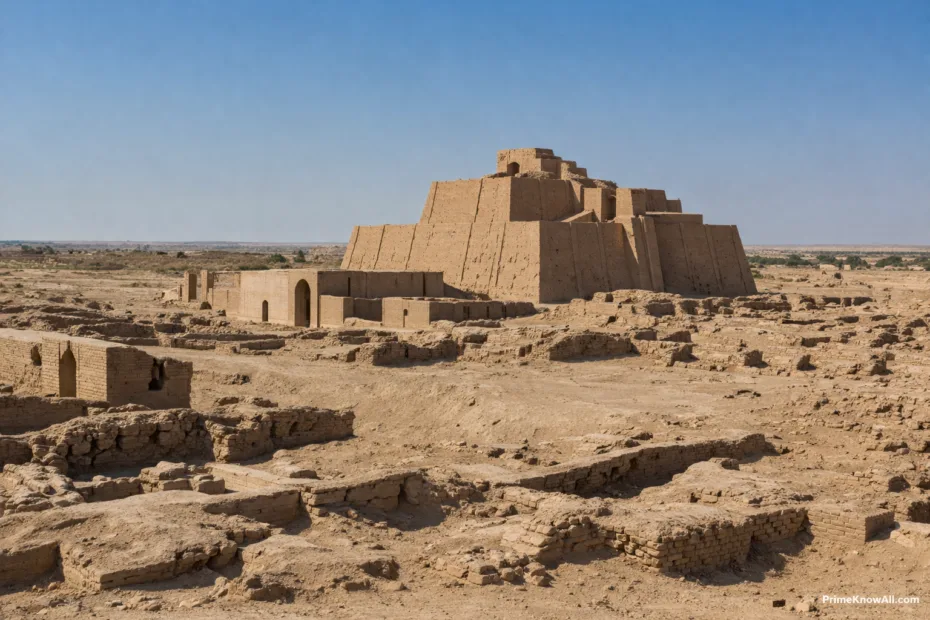
Ultra-short answer: Babylon’s city walls worked because they combined a mudbrick core with tougher baked-brick facing where water and impact hit hardest, and used bitumen as a sealant in vulnerable joints. Engineering method: build in layers, control moisture, and make the base far thicker than the top. What… Babylonian City Walls: Engineering Methods

Clay soldiers and terracotta warrior busts laid out on a table in a workshop.

Terracotta Army: Production Methods

Ultra-short answer: The Terracotta Army was made with a modular clay workflow: standard parts shaped with molds and hand-building, then assembled, finished for realism, fired in kilns, and finally painted over lacquer. Makers left stamps, incisions, and occasional ink marks that hint at quality control and workshop routines.… Terracotta Army: Production Methods

View of Hagia Sophia's massive central dome resting on pendentives over stone arches.

Hagia Sophia: Structural Innovations

Hagia Sophia stays standing by steering the dome’s weight into four giant piers through pendentives and massive arches.Half-domes and thick walls push back against sideways forces, while light brick-and-mortar keeps the roof from becoming too heavy.Repairs, buttresses, and modern monitoring have kept this 6th-century structure workable in a… Hagia Sophia: Structural Innovations

A moai statue under construction with wooden supports and scaffolding on Easter Island.

Easter Island Moai Statues: Construction Methods

Ultra-short answer Most moai were carved from soft volcanic tuff at Rano Raraku, freed from the bedrock, then moved with rope control—either upright in a rocking “walk” or on low supports—and finally raised onto stone platforms using ramps, levers, and careful balancing. The final finishing (details, eye sockets,… Easter Island Moai Statues: Construction Methods

Ancient rock-cut steps lead through the cliffs of Petra with carved facades visible in the background.

Petra: Rock-Cut Architecture Techniques

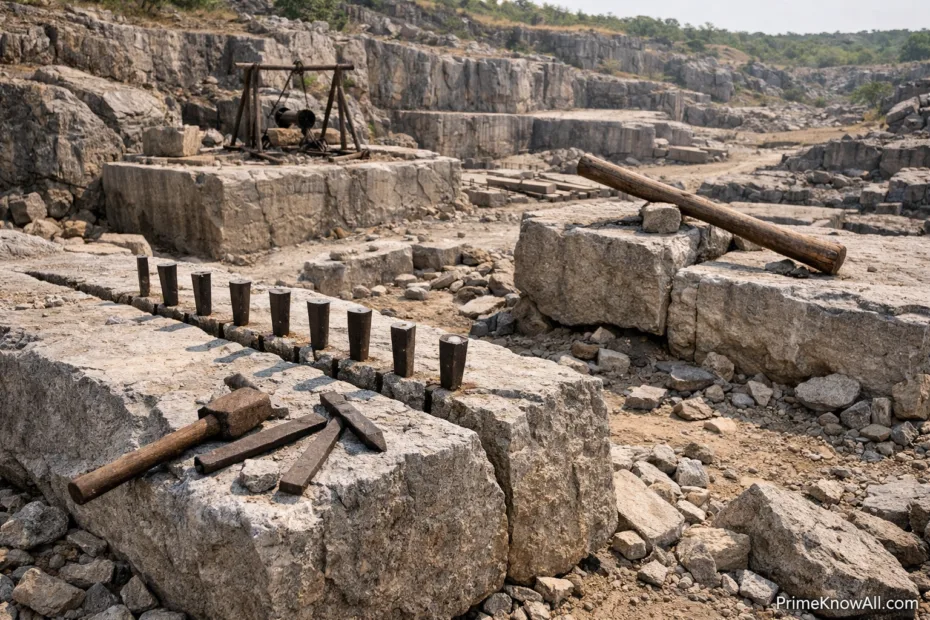
Petra’s rock-cut buildings were shaped by a simple method: workers mapped a facade on the cliff, then carved downward in controlled stages so the final surface stayed clean and symmetrical. The “buildings” are often sculpted fronts, not stacked blocks, and the sandstone itself acts like both material and… Petra: Rock-Cut Architecture Techniques

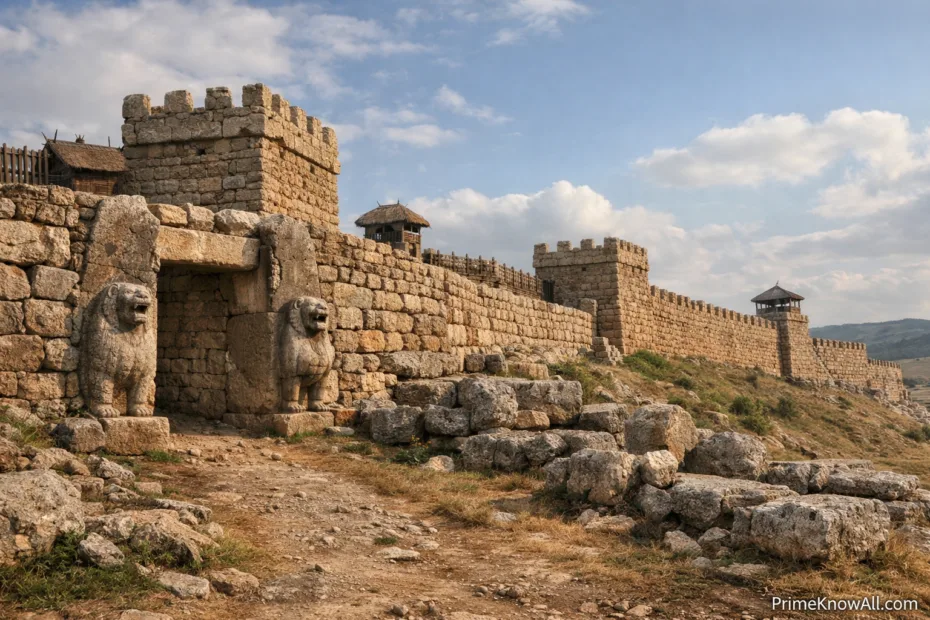
Medieval castle with tall stone towers and crenellated walls under a cloudy sky.

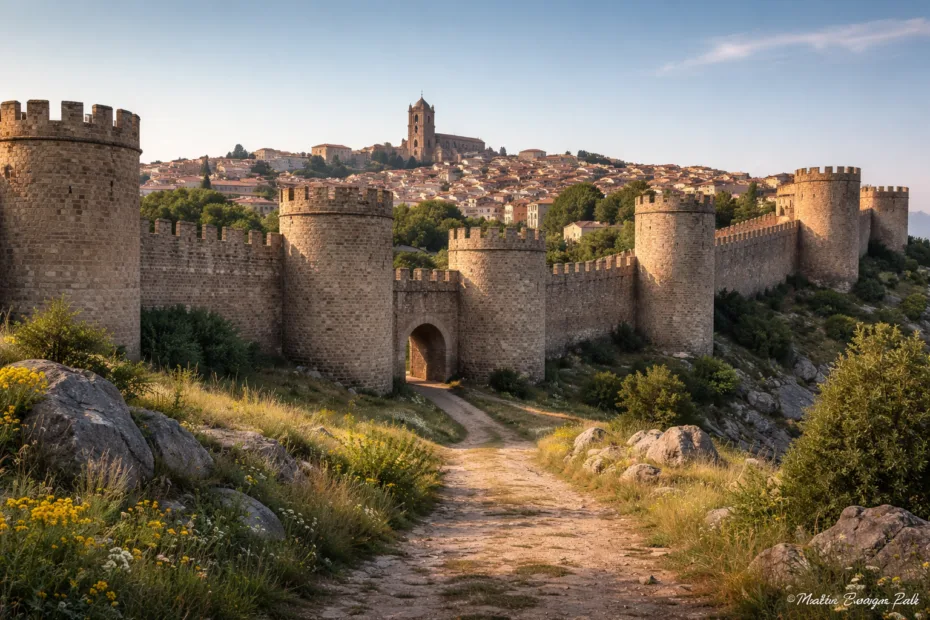
Medieval Castles: Defensive Architecture

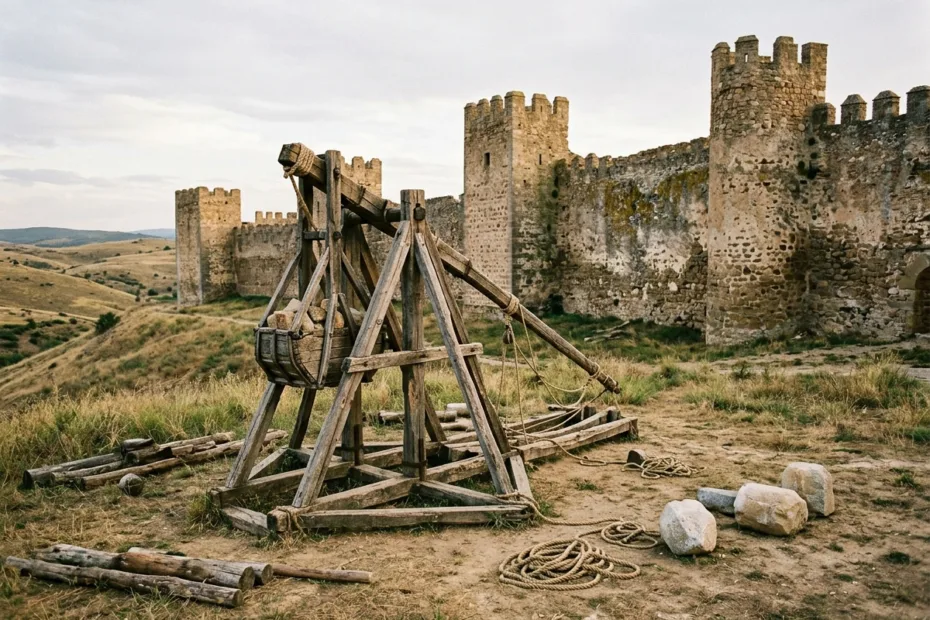
Ultra-Short Answer Medieval castle defenses worked as a layered system: the landscape slowed you down, the walls and towers controlled sightlines, and the gate turned entry into a managed bottleneck. A “strong” castle wasn’t just thick stone—it was smart geometry, controlled movement, and reliable everyday logistics. A Few… Medieval Castles: Defensive Architecture

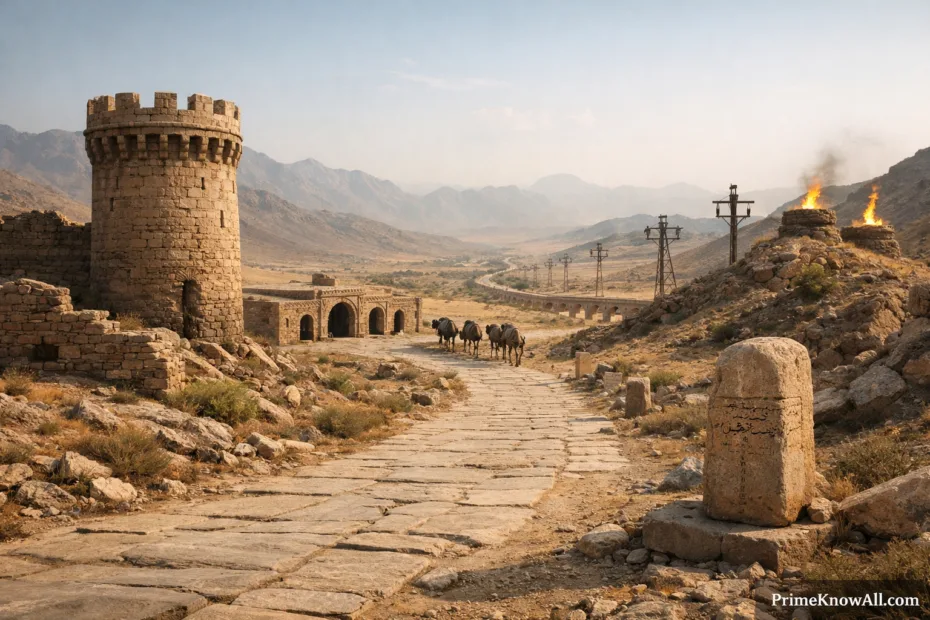
Ancient Roman stone road stretches into the distance with surrounding rural landscape and mountains in the background.

Roman Roads: Construction and Durability

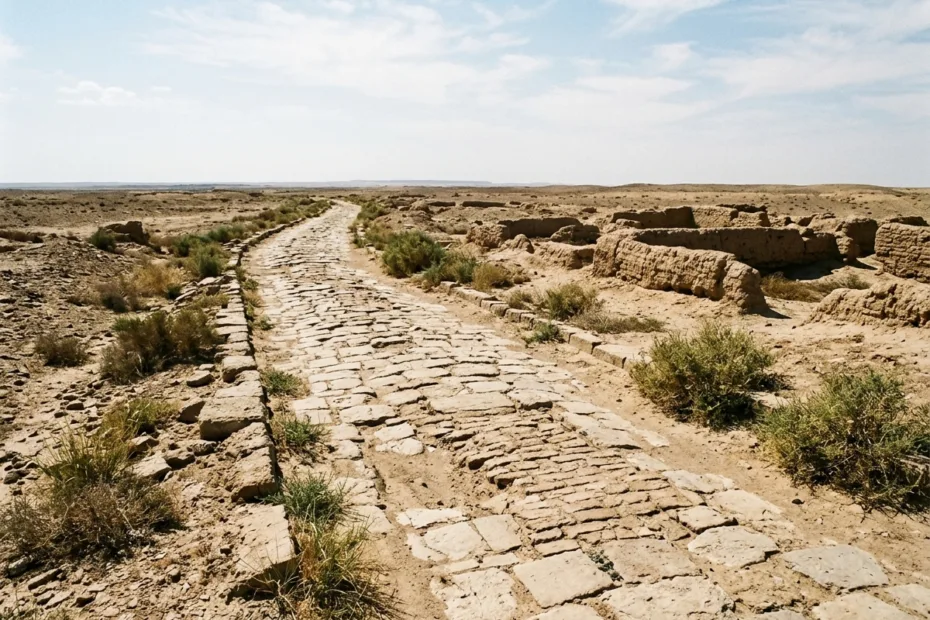
Ultra-Short Answer Roman roads lasted because their foundations drained water, their layers spread loads, and the state treated roads as maintained infrastructure rather than a one-time build. The famous layered “recipe” (statumen, rudus, nucleus, plus a hard surface) existed, but many routes used simpler local builds that still… Roman Roads: Construction and Durability

A laptop showing a graph of increasing population growth next to detailed world maps and wooden blocks.

Population Growth Explained

The 20-Second Answer Population growth is the change in how many people live in a place over time, shaped by births, deaths, and migration. It can stay positive even when families have fewer children, because age structure (how many people are entering childbearing ages) keeps births high for… Population Growth Explained

Sharp mountain peaks rise against a partly cloudy sky with green valleys below.

How Mountains Form: Fold, Fault-Block, Volcanic

Ultra-Short Answer Mountains form when Earth’s crust is compressed, pulled apart, or built up by eruptions. The three classic outcomes are fold mountains (crumpled layers), fault-block mountains (tilted/raised blocks), and volcanic mountains (piled-up lava and ash). What To Remember In One Minute Mountains are not “just tall rocks”—they… How Mountains Form: Fold, Fault-Block, Volcanic

Ancient wooden wheel with spokes lying on rocky ground near a river.

The Invention of the Wheel

The wheel wasn’t a flashy “aha!” moment—it was a quiet engineering shortcut that turned sliding into rolling and made heavy transport far more efficient. In the archaeological record, the earliest strong evidence points to around the late 4th millennium BCE, appearing alongside early carts and pottery depictions. What… The Invention of the Wheel