Skip to content
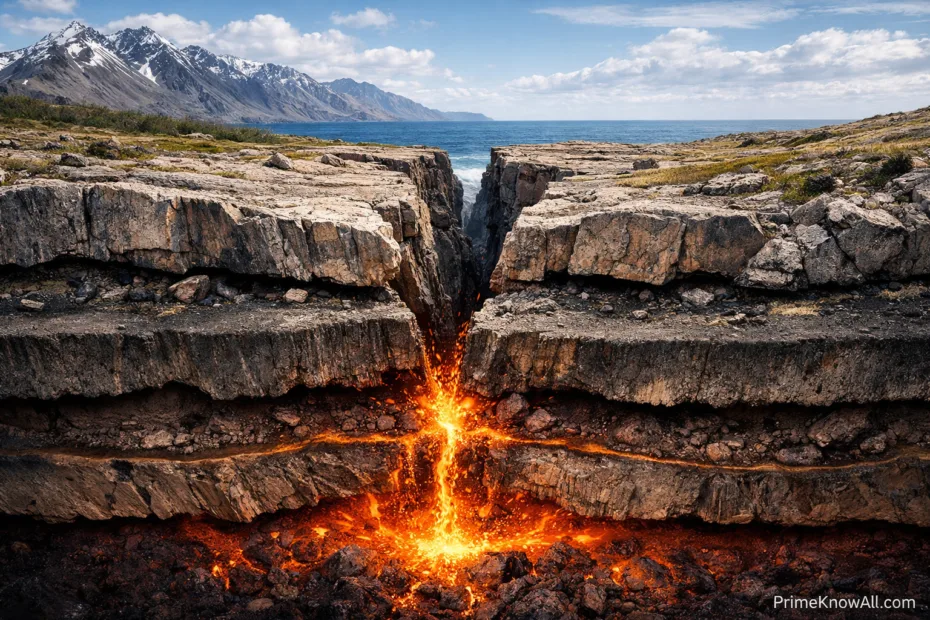
Volcanic eruption between tectonic plates with flowing lava and rocky landscape

Tectonic Plates Explained: How Earth’s Crust Moves

Earth’s surface looks solid, but it is built from moving pieces called tectonic plates. These slabs of the lithosphere (crust plus the uppermost mantle) slide over a softer layer beneath, reshaping continents, building mountains, opening oceans, and triggering earthquakes. Plate tectonics is the unifying theory that explains why… Tectonic Plates Explained: How Earth’s Crust Moves

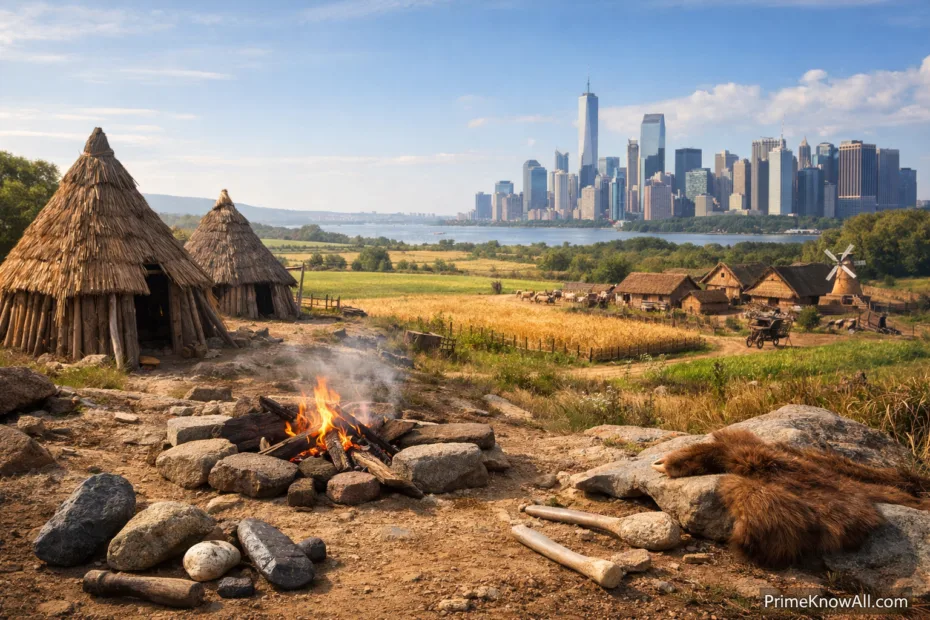
Ancient village with a campfire setup and a modern city skyline in the background.

How Human Societies Form and Evolve

Human societies form when people repeatedly coordinate their lives—sharing work, risks, and meaning—well beyond what a single individual can manage alone. A society is not only a population living near each other; it is a living web of relationships, shared expectations, and institutions that makes cooperation predictable. Over… How Human Societies Form and Evolve

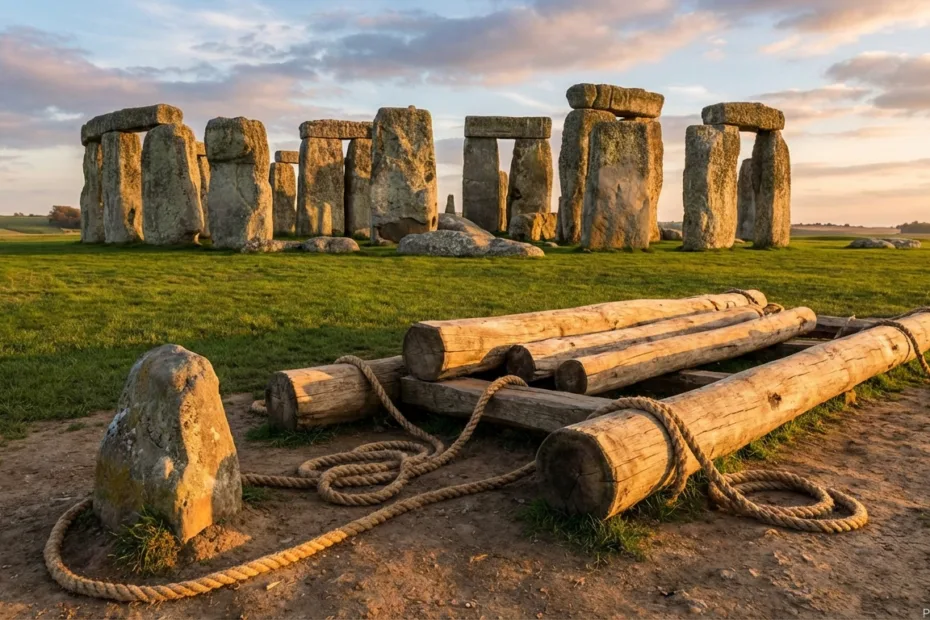
Stonehenge stones and wooden logs used for transport are visible in the image.

Stonehenge: How the Stones Were Moved

Stonehenge looks like the definition of immovable: towering uprights, heavy lintels, and a layout that feels locked into the chalk of Salisbury Plain. Yet every block there is the end point of deliberate movement—stone chosen, freed, hauled, guided, and finally raised with surprising precision. The real mystery is… Stonehenge: How the Stones Were Moved

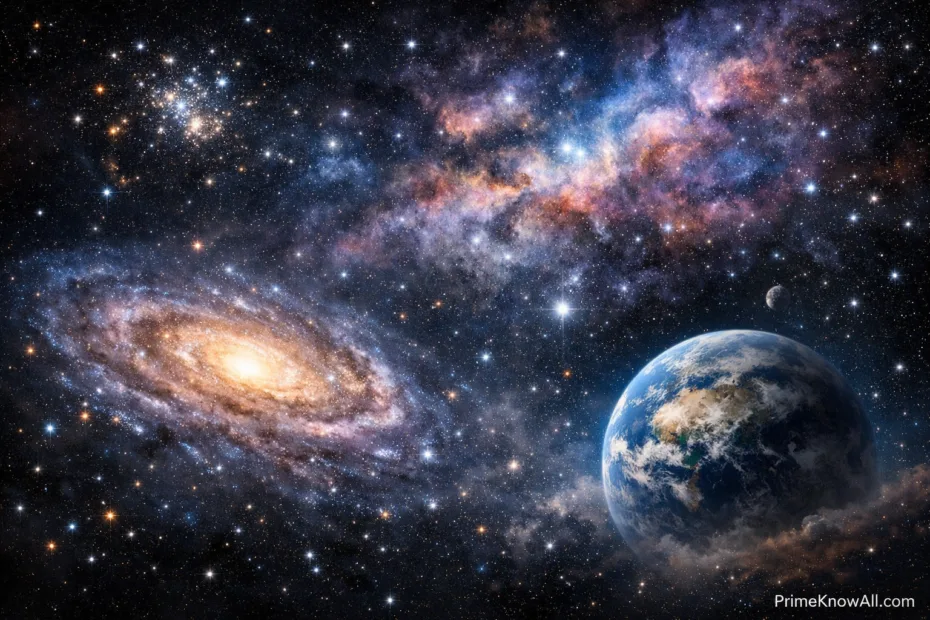
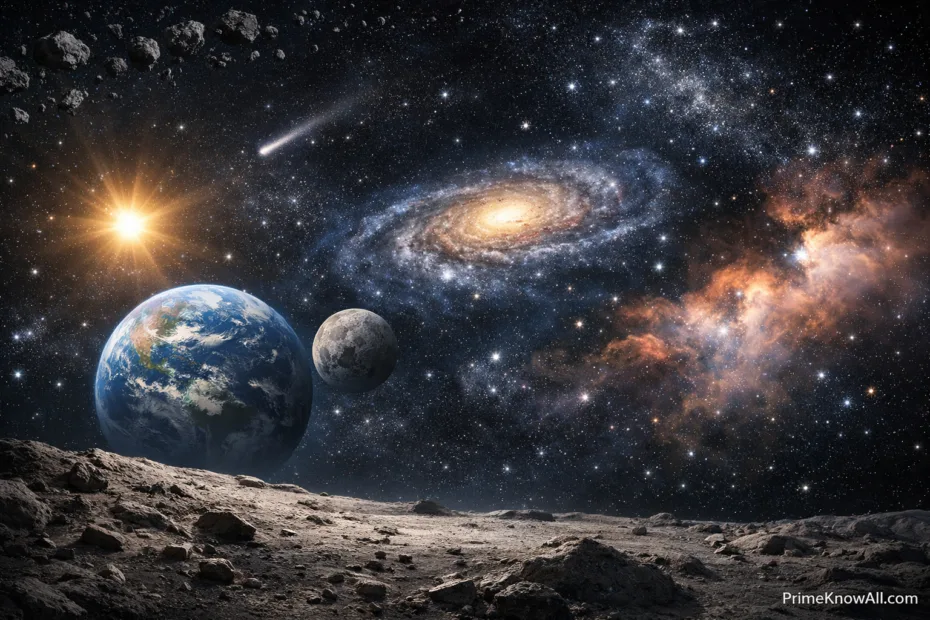
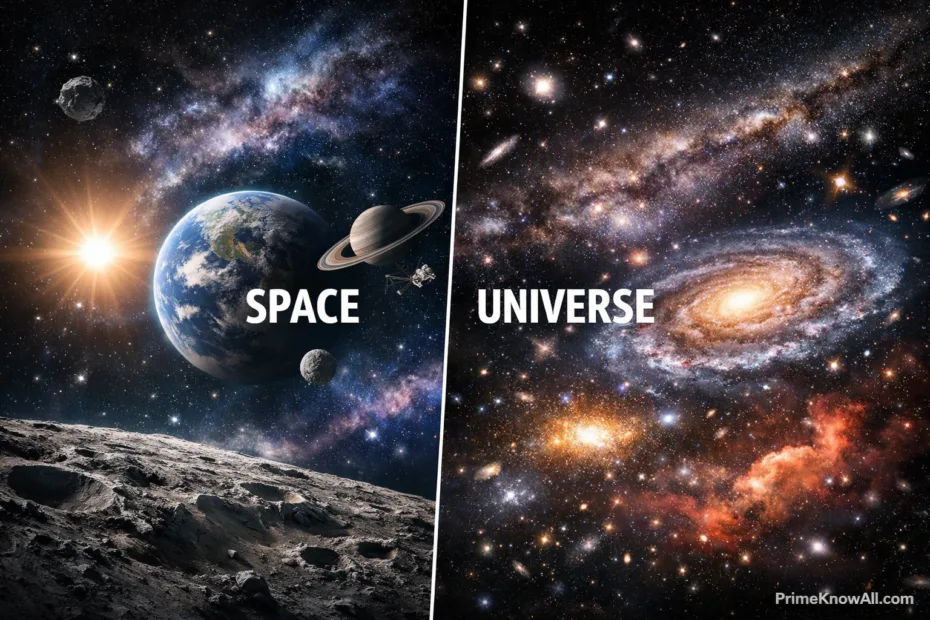
Spiral galaxy and Earth seen from space, illustrating what is universe.

What Is the Universe?

The universe is the totality of space, time, and everything that can exist within them: matter, energy, the laws of physics, and the evolving patterns that form galaxies, stars, planets, and the space between. It is not just a “place” filled with objects. In modern physics, the universe… What Is the Universe?

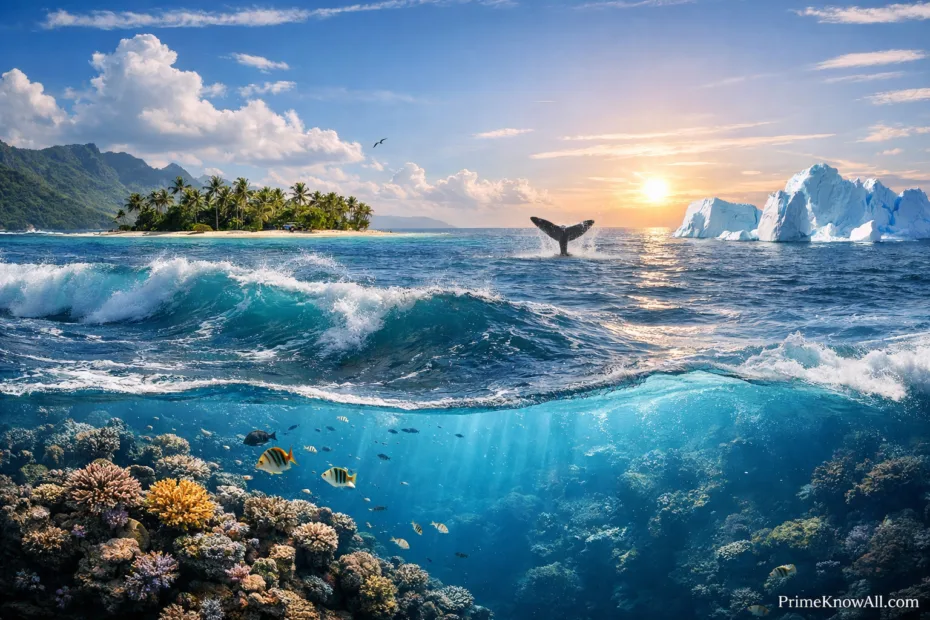
A whale's tail rises out of the ocean waves during sunset by shallow coral reefs.

Oceans of the World: Names, Depth, and Key Facts

Earth has one connected global ocean, but for navigation, science, and everyday language it’s often described as five major ocean basins: the Pacific, Atlantic, Indian, Southern, and Arctic. Each one has its own shape, depth profile, and signature role in climate and ecosystems—yet all are linked by currents… Oceans of the World: Names, Depth, and Key Facts

Great Wall of China stretches over rugged mountains with watchtowers along the length.

Great Wall of China: Structure and Sections

The Great Wall of China is not one continuous ribbon of stone. It is a layered defensive landscape made of walls, passes, towers, trenches, and fortresses built and rebuilt across many centuries. What most people picture today—high crenellated ramparts with brickwork and frequent watchtowers—comes largely from the Ming-era… Great Wall of China: Structure and Sections

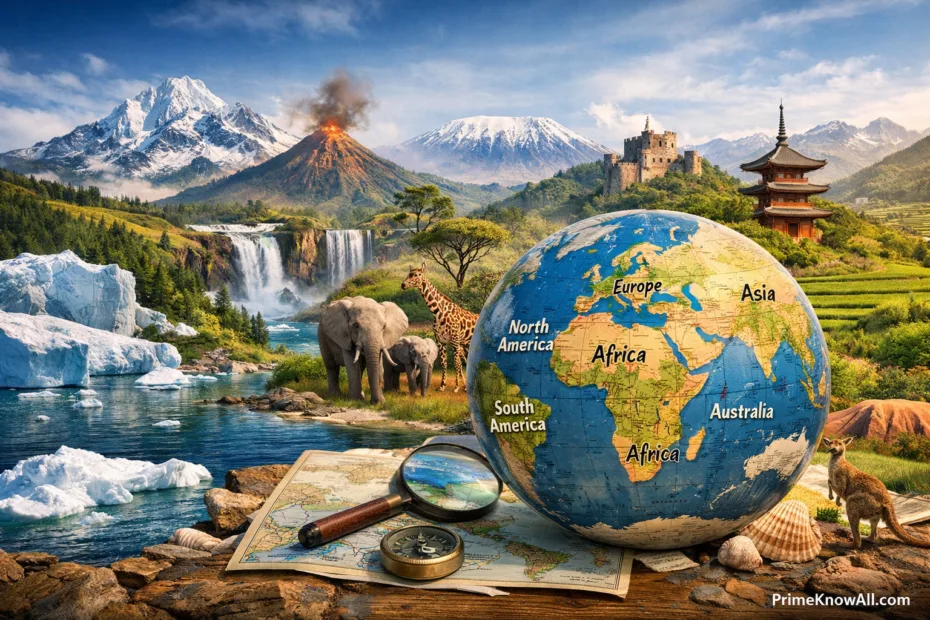
A colorful map showing the continents of the world with a compass and a globe nearby.

Continents of the World: Names, Size, and Key Facts

Continents are Earth’s biggest land regions—huge, varied spaces where geology, climate, and human history interact on a planetary scale. When people say “the continents,” they usually mean seven broad areas: Asia, Africa, North America, South America, Antarctica, Europe, and Australia (often grouped with the wider region called Oceania).… Continents of the World: Names, Size, and Key Facts

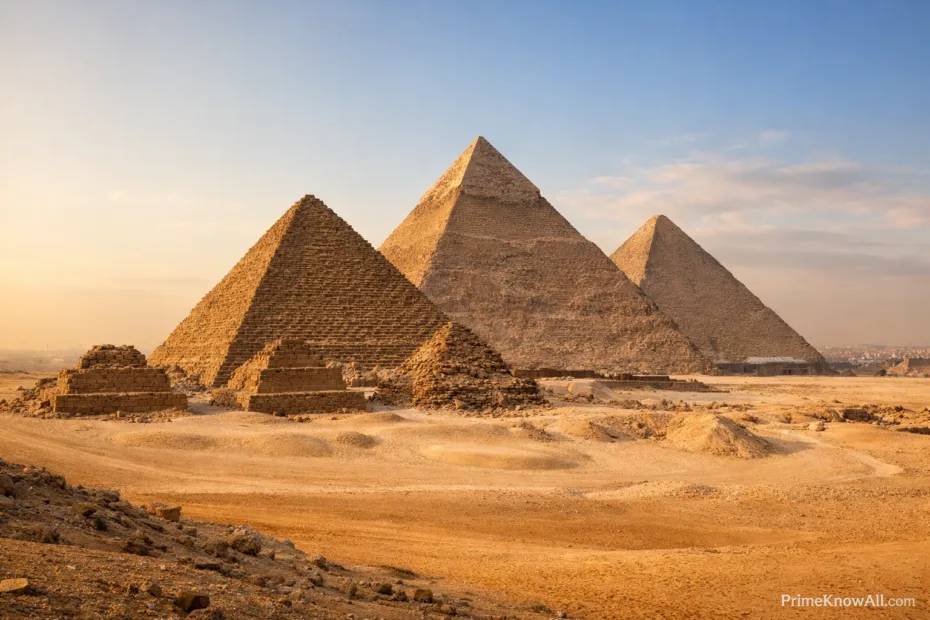
Pyramids of Giza with large limestone blocks and the desert in the background

Pyramids of Giza: Construction Techniques

The Pyramids of Giza are not just ancient monuments; they are a record of organized engineering on a massive scale. Built with stone blocks that had to be cut, moved, raised, and set with surprising accuracy, these structures reveal practical solutions to problems that still matter in construction,… Pyramids of Giza: Construction Techniques