Skip to content
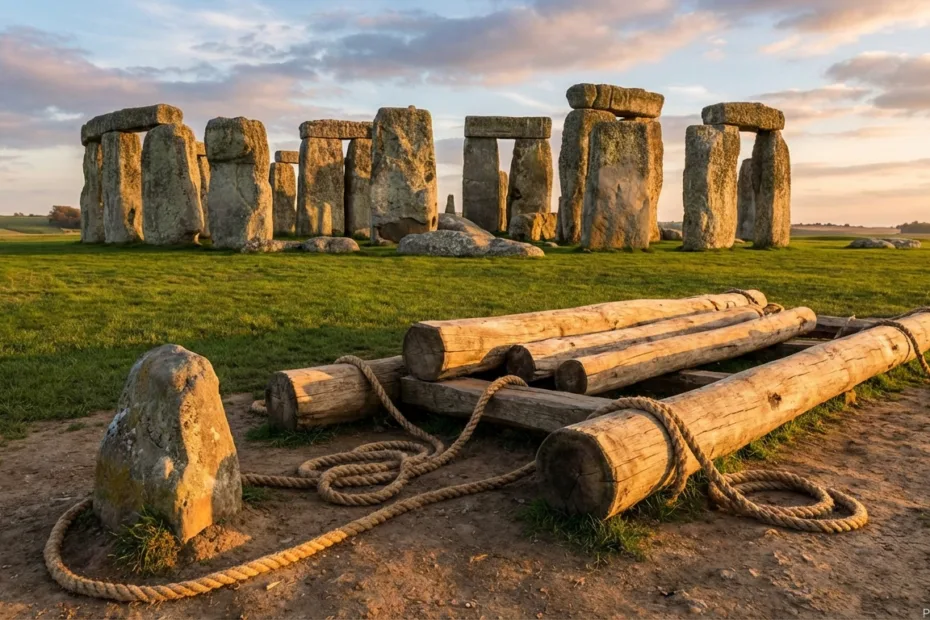
Stonehenge stones and wooden logs used for transport are visible in the image.

Stonehenge: How the Stones Were Moved

Stonehenge looks like the definition of immovable: towering uprights, heavy lintels, and a layout that feels locked into the chalk of Salisbury Plain. Yet every block there is the end point of deliberate movement—stone chosen, freed, hauled, guided, and finally raised with surprising precision. The real mystery is… Stonehenge: How the Stones Were Moved

Great Wall of China stretches over rugged mountains with watchtowers along the length.

Great Wall of China: Structure and Sections

The Great Wall of China is not one continuous ribbon of stone. It is a layered defensive landscape made of walls, passes, towers, trenches, and fortresses built and rebuilt across many centuries. What most people picture today—high crenellated ramparts with brickwork and frequent watchtowers—comes largely from the Ming-era… Great Wall of China: Structure and Sections

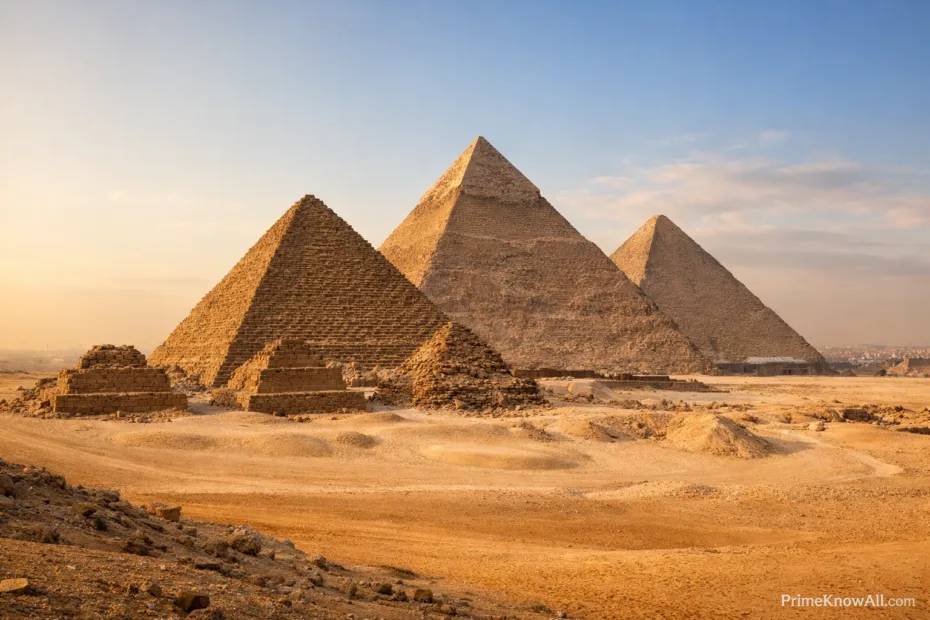
Pyramids of Giza with large limestone blocks and the desert in the background

Pyramids of Giza: Construction Techniques

The Pyramids of Giza are not just ancient monuments; they are a record of organized engineering on a massive scale. Built with stone blocks that had to be cut, moved, raised, and set with surprising accuracy, these structures reveal practical solutions to problems that still matter in construction,… Pyramids of Giza: Construction Techniques